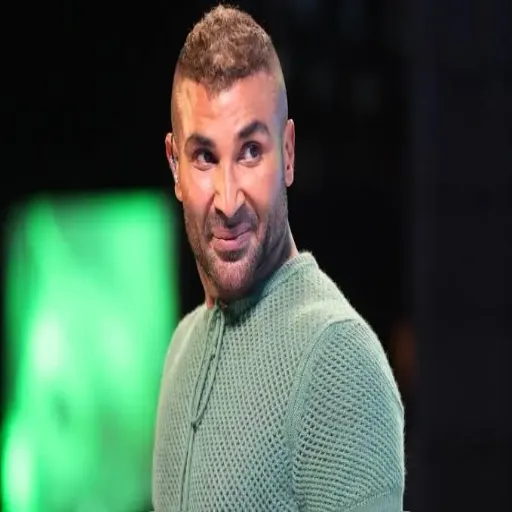
Artist Ahmed Saad
All events of Artist Ahmed Saad
No events found
Artist Ahmed Saad does not have any events scheduled at the moment.

100% protected tickets
If anything happens, we've got you covered.
Ahmed Saad: His Most Famous Songs, Career and Concert Tickets
Few Egyptian singers over the past two decades have left their mark on more than one generation and musical style the way Ahmed Saad has. The man who began his life amid religious hymns and muwashahat is today one of the most present voices on concert stages, entertainment seasons and digital platforms alike. What sets his experience apart is that it never settled on a single form; he sings emotional tarab with the same mastery he brings to mahraganat, rap and Latino, and this rare flexibility is exactly what kept his audience expanding rather than confined to one segment.
Ahmed Saad Ali Sayed Qenawy was born on the twentieth of August 1981 in Cairo, into a family connected to the arts—his brother is the well-known actor Amr Saad. His start did not come through commercial pop, but from the world of religious chanting and muwashahat, a school that gave him a solid vocal foundation and a command of range and register that stayed with him in everything he later produced. From this tarab grounding he entered the world of popular singing in 2003 with his first album "Ashki Limin," which included eight songs such as "Habibi Rohi" and "Aziz Einy," then reinforced his presence with the album "Wahashtni Ouyounak" in 2007 featuring songs like "Garahona" and "Kifaya Keda."
The turning point that cemented his name with the wider public was the gateway of cinema and drama. His voice became tied to melancholic, melodramatic theme songs and soundtracks, starting with "Salt Nafsy Kteer" for the film "Al-Shabah" (2007), through "Mesh Baqi Menni" from the film "Dokan Shehata" and "Ashhad" from the film "Wlad El-Amm," all the way to the wave of series theme songs that became his signature in "El-Prince," "Molok El-Gada'na," "Touba" and "Gaafar El-Omda." This particular style is what fixed his image in the Arab viewer's memory as the voice that opens and closes a drama.
But Ahmed Saad did not stop at being a "theme-song singer." Since the early 2020s he embarked on a bold reinvention, blending styles his audience had not been used to: Latino, electro-funk, groove, trap and mahraganat. The fruits of this phase include widely spread hits such as "Al-Molok," "Wassa' Wassa'," "Eh El-Youm El-Helw Da" and "Ekhtiarati," alongside the 2025 album "Habibna," which marked a shift toward Latin rhythms. This diversity was accompanied by a string of notable collaborations with names from different generations and tastes, from "Mami Kosa" with Hassan El-Shafei, to "Ya Layali" with Ruby, to the duet "Ya Sabab Farhati" with Assala, which won Duet of the Year at the Billboard Arabia awards.
On the popular level, Ahmed Saad has become a fixture of Saudi entertainment seasons, performing huge concerts at Jeddah Season and Riyadh Season to wide acclaim, turning his name into a guarantee of musical nights that combine authentic tarab with dance rhythms that ignite the stands. For anyone looking to book tickets to Ahmed Saad's concerts, the "FansPass" platform remains the safe destination to keep up with his latest events.
Ahmed Saad Ticket Prices and Booking
Ahmed Saad concert ticket prices vary by city, venue, ticket category and organizer, and multiple tiers are usually available to suit different budgets up to VIP seating. You can book and buy your tickets securely through the "FansPass" platform as soon as his concert dates are officially announced.
Ahmed Saad's Upbringing and His Start in Religious Chanting
Ahmed Saad Ali Sayed Qenawy was born on the twentieth of August 1981 in Cairo, into a family that produced more than one notable name; his brother Amr Saad became one of the leading actors of his generation, while his elder brother Sameh Saad is known as a specialized scientist. Ahmed Saad did not begin his journey through commercial pop, but through the world of religious chanting and muwashahat while still young, so spiritual performance was his first school—it opened his ear to the Eastern maqams and taught him the fundamentals of tarab before he ever knew a studio.
The road was not smooth; Ahmed Saad has recounted in more than one interview that his beginnings carried plenty of hardship and rejection, and that he had sought to learn from early childhood despite doors being shut in his face more than once. But this difficult formation is what sharpened his talent and gave him the long patience to carve out his path, until his vocal tools matured and his confidence was complete. He then moved gradually from the space of chanting to the world of emotional and popular singing at the dawn of the new millennium, carrying a tarab foundation that distinguished him from many of his peers.
Key Milestones in Ahmed Saad's Career
Ahmed Saad's journey can be read as a series of successive transformations, each one carrying him to a wider audience. The career officially began in 2003 with the album "Ashki Limin," which introduced the public to his emotional voice, followed by the album "Wahashtni Ouyounak" in 2007 that strengthened his presence in heartfelt songs.
The most important shift began when cinema drew close to his voice; with the song "Salt Nafsy Kteer" for the film "Al-Shabah" in 2007, the door to theme songs and film soundtracks opened for him. He delivered "Mesh Baqi Menni" from the film "Dokan Shehata" and "Ashhad" from the film "Wlad El-Amm," then expanded into television drama with theme songs such as "Ehna El-Talaba" and "Share' Abdel Aziz." By the middle of the second decade he cemented his dramatic presence with the song "Bahebak Ya Sahby" from the series "Younes Weld Fadda" in 2016.
Ahmed Saad entered a stage of mainstream maturity at the start of the 2020s, combining heavyweight drama theme songs such as "El-Prince," "Molok El-Gada'na," "Touba" and "Gaafar El-Omda" with a bold reinventive adventure in which he opened up to Latino, trap and mahraganat. This phase was crowned by the 2025 album "Habibna," leaning toward Latin rhythms, after which he continued his strong and renewed presence on charts and digital platforms.
The Secret Behind Ahmed Saad Moving Across Every Musical Style
Few singers can stand on stage to sing a tarab mawwal recalling the golden era, then shift in the same instant to a mahragan beat that shakes the stands without losing their vocal identity—and this is exactly what Ahmed Saad excels at. The foundation on which this flexibility is built goes back to his beginnings in religious chanting and muwashahat; that school gave him a high command of registers and range and control of breath, tools that let him color between a sorrowful line and a danceable one with rare ease.
Ahmed Saad was not content with his position as an influential dramatic voice; in the early 2020s he risked reinventing himself entirely, opening up to Latino, trap, electro-funk and mahraganat, and crowning this phase with the 2025 album "Habibna," leaning toward Latin rhythms. More importantly, he built bridges to distant generations and tastes through varied collaborations, from Hassan El-Shafei in "Mami Kosa," to Ruby in "Ya Layali," to the duet "Ya Sabab Farhati" with Assala. This constant openness is what kept his name at the forefront of listening with every new musical wave, rather than becoming a voice tied to a single era.
Ahmed Saad's Albums
Although much of Ahmed Saad's fame rests on singles and theme songs, his career launched and developed through three main albums that marked the map of his artistic transformations:
- Ashki Limin (2003): His first album, comprising eight songs including "Habibi Rohi" and "Aziz Einy," through which he presented his emotional voice with Eastern rhythms.
- Wahashtni Ouyounak (2007): His second album, containing twelve songs, the most notable being "Garahona" and "Kifaya Keda," which cemented his presence in heartfelt song.
- Habibna (2025): A recent turning point in which he leaned toward Latin melodies, confirming his ability to keep pace with global musical trends without abandoning his identity.
Ahmed Saad's Most Famous Songs and Dramatic Works
Ahmed Saad's catalog blends the upbeat solo song with the moving drama theme, and the theme songs in particular made his wide fame when his voice became tied to major film and drama works—from "Salt Nafsy Kteer" for the film "Al-Shabah" to the wave of series whose openings, in his voice, became familiar to viewers. Among his most prominent works:
- Wassa' Wassa': One of his most requested songs at concerts for its dance beat and festive character.
- Eh El-Youm El-Helw Da: A joyful song that spread strongly across platforms and social media.
- Al-Molok: A successful collaboration blending pop with mahraganat that racked up huge views.
- Ekhtiarati: One of his striking singles that cemented his modern style.
- Ya Sabab Farhati (with Assala): A tarab duet that won Duet of the Year at Billboard Arabia.
- Mami Kosa (with Hassan El-Shafei): One of his experiments in blending tarab with a contemporary beat.
- Drama theme songs: "El-Prince," "Molok El-Gada'na," "Touba," "Gaafar El-Omda," and the song "Bahebak Ya Sahby" from the series "Younes Weld Fadda."
- Ashki Limin and Habibi Rohi: Among his early works that introduced the public to his emotional voice in his beginnings.
- Garahona and Kifaya Keda: Among the standout songs of the album "Wahashtni Ouyounak" that cemented his heartfelt presence.
This list makes clear that Ahmed Saad's strength lies in the breadth of his artistic range; in a single concert he can offer a deep tarab song, a drama theme everyone knows, and an upbeat dance song that sets the crowd alight. This diversity is what makes his audience a mix of lovers of authentic tarab and fans of youthful rhythm at once, and gives his concerts a special character that gathers different generations on the same stage.
Ahmed Saad, Drama and Cinema
Ahmed Saad's association with film and drama works is one of the main reasons for his spread across the Arab world; his voice became a preferred choice for creators when they want a theme song that stays in the viewer's memory. This relationship began in 2007 with "Salt Nafsy Kteer" in Ahmed Ezz's film "Al-Shabah," then deepened with film songs such as "Mesh Baqi Menni" from "Dokan Shehata" and "Ashhad" from "Wlad El-Amm."
On the television drama front, he accumulated a large body of theme songs that turned into independent successes of their own, including the theme songs of the series "Ehna El-Talaba" and "Share' Abdel Aziz," and the song "Bahebak Ya Sahby" from "Younes Weld Fadda," all the way to the wave of works that accompanied his wider fame such as "El-Prince," "Molok El-Gada'na," "Touba" and "Gaafar El-Omda." This continuous presence made audiences link the opening of a drama with Ahmed Saad's voice as a fingerprint that gives the series its sonic identity.
Ahmed Saad's Most Notable Artistic Collaborations
Among the secrets of Ahmed Saad's renewal is his openness to collaborating with artists from different generations, tastes and styles, which broadened his fan base and gave his works clear diversity. He collaborated with musician Hassan El-Shafei in "Mami Kosa," delivered works like "Al-Molok" with singers and producers from the mahraganat and rap scene, and took on successful tarab duets, most notably "Ya Layali" with Ruby.
The most prominent collaboration remains the duet "Ya Sabab Farhati" with artist Assala, which not only achieved wide reach but won Duet of the Year at the Billboard Arabia awards, confirming Ahmed Saad's ability to stand as an equal to major voices on the Arab scene. These varied partnerships reflected his flexibility and openness and helped keep him present among multiple audience segments.
Ahmed Saad at Saudi Entertainment Seasons
Ahmed Saad has become one of the constant names on the stages of the Kingdom's entertainment seasons, delivering crowd-drawing musical nights at Jeddah Season and Riyadh Season to wide acclaim—performing in some alongside major names who enriched the night and multiplied its momentum. His Saudi concerts stood out for their clever blend of authentic tarab that delights classic tastes and dance rhythms that fire up the enthusiasm of the young audience, making his concert ticket in demand across different age groups. This recurring presence cemented his name among the Gulf audience as the owner of a complete evening that brings together singing, interaction and a festive atmosphere.
This presence comes within the context of the major leap the entertainment sector is experiencing in the Kingdom, which has opened stages to Arab-world stars to perform before an audience hungry for live art. Ahmed Saad found in these seasons an ideal platform suited to the diversity of his catalog, able to present his tarab, drama and dance works in a single night—which is why his audience in Saudi Arabia and the Gulf anticipates the announcement of his new concert dates to book tickets early before they sell out.
Ahmed Saad's Awards and Chart Presence
On the awards front, Ahmed Saad won Best Arabic Song at the "Murex d'Or" ceremony held in Beirut, and also took Duet of the Year at the Billboard Arabia awards for his joint song "Ya Sabab Farhati" with artist Assala. His recognition is not limited to official platforms but extends to the numbers; he records a heavy presence on Arabic listening charts and music rankings, and regularly tops the trend with every new release, reflecting a broad and renewing fan base that follows everything he offers.
What Distinguishes Ahmed Saad's Voice and Singing Style?
Ahmed Saad possesses a vocal texture that combines warmth with a capacity for dramatic expression—the fruit of his early formation in chanting, which gave him a clear command of the Eastern maqams and smooth movement between them. What distinguishes him specifically is his ability to charge the musical line with feeling, so a sorrowful song seems deeper when he performs it, while a dance song never loses its liveliness and lightness.
Alongside his performance, Ahmed Saad is credited with his awareness of the evolving public taste; he does not repeat himself but reshapes his style with every phase, introducing new arrangements and rhythms and trying styles his audience had not encountered before. This blend of authentic texture and daring renewal is what explains his staying in the front ranks despite changing generations and shifting waves of Arabic song.
Ahmed Saad and the Stardom of Streaming Platforms and Social Media
A singer's success is no longer measured by album sales as in the past, but by view and stream numbers on digital platforms—and here Ahmed Saad stands out as one of the most present Egyptian voices. His songs quickly rack up millions of views upon release, and their clips turn into trending material on apps like TikTok and Instagram, giving them reach beyond his traditional audience to new age groups.
This strong digital presence reflected on his standing in Arabic charts and music rankings, where his name appears regularly among the most-listened works and tops the trend with every release. This engagement helped him strengthen his fan base and turn every new song into an event his followers anticipate, which also explains the great demand for his concerts and their tickets whenever a new date is announced.
Ahmed Saad's Personal Life
Alongside his artistic career, Ahmed Saad's personal life has remained a subject of wide media interest, as his name has been linked to a number of marriages over the years. Sources indicate he first married Lobna Bayoumi, with whom he had his sons Ahmed and Joudy before their separation, then was linked to the artist Reem El-Baroudy, followed by a short marriage to the artist Somaya El-Khashab. In his most recent chapter he was linked to fashion designer Alia Bassiouni, with whom he had his daughters Alia and Mariam. This great public interest in his private life in turn reflects the scale of stardom he has reached.
Frequently Asked Questions About Ahmed Saad
Who is Ahmed Saad?
He is an Egyptian singer born in Cairo in 1981, who began his journey with religious chanting and muwashahat before becoming one of the most prominent voices in Egyptian and Arabic song, known for his diversity across tarab, drama, mahraganat and Latino.
How old is Ahmed Saad?
Ahmed Saad was born on the twentieth of August 1981, making him 44 years old.
What was Ahmed Saad's artistic start?
He began with religious hymns and muwashahat, then released his first album "Ashki Limin" in 2003, followed by the album "Wahashtni Ouyounak" in 2007.
What are Ahmed Saad's most famous theme songs?
Among the most prominent are the theme songs of the series "El-Prince," "Molok El-Gada'na," "Touba" and "Gaafar El-Omda," in addition to film songs such as "Salt Nafsy Kteer," "Mesh Baqi Menni" and "Ashhad."
Is Ahmed Saad the brother of actor Amr Saad?
Yes, Ahmed Saad is the brother of the well-known Egyptian actor Amr Saad, and they also have an elder brother, Sameh Saad, known for his scientific specialization.
What are Ahmed Saad's most notable albums?
He released three main albums: "Ashki Limin" in 2003, "Wahashtni Ouyounak" in 2007, and "Habibna" in 2025, in which he leaned toward Latin melodies.
What awards has Ahmed Saad won?
He won Best Arabic Song at the "Murex d'Or" ceremony in Beirut, and Duet of the Year at the Billboard Arabia awards for the song "Ya Sabab Farhati" with Assala.
What musical styles does Ahmed Saad perform?
He moves between emotional tarab, popular song and drama theme songs, and in recent years has opened up to Latino, trap, electro-funk and mahraganat.
Who has Ahmed Saad collaborated with in his most famous duets?
Among his most notable collaborations are the duet "Ya Sabab Farhati" with Assala, "Ya Layali" with Ruby, and "Mami Kosa" with Hassan El-Shafei.
What is Ahmed Saad's nationality and where was he born?
Ahmed Saad is an Egyptian singer, born and raised in Cairo, belonging to a family that produced more than one well-known name in different fields.
How has Ahmed Saad's singing style evolved over the years?
He began with chanting and muwashahat, then moved to emotional and popular song, then the drama theme songs that made his fame, and finally opened up to modern global styles like Latino and trap—a continuous evolution that maintained his presence across successive generations.
Did Ahmed Saad perform concerts in Saudi Arabia?
Yes, he took part in a number of Saudi entertainment seasons and performed huge crowd-drawing concerts at Jeddah Season and Riyadh Season to wide acclaim from the public.