

Premier League
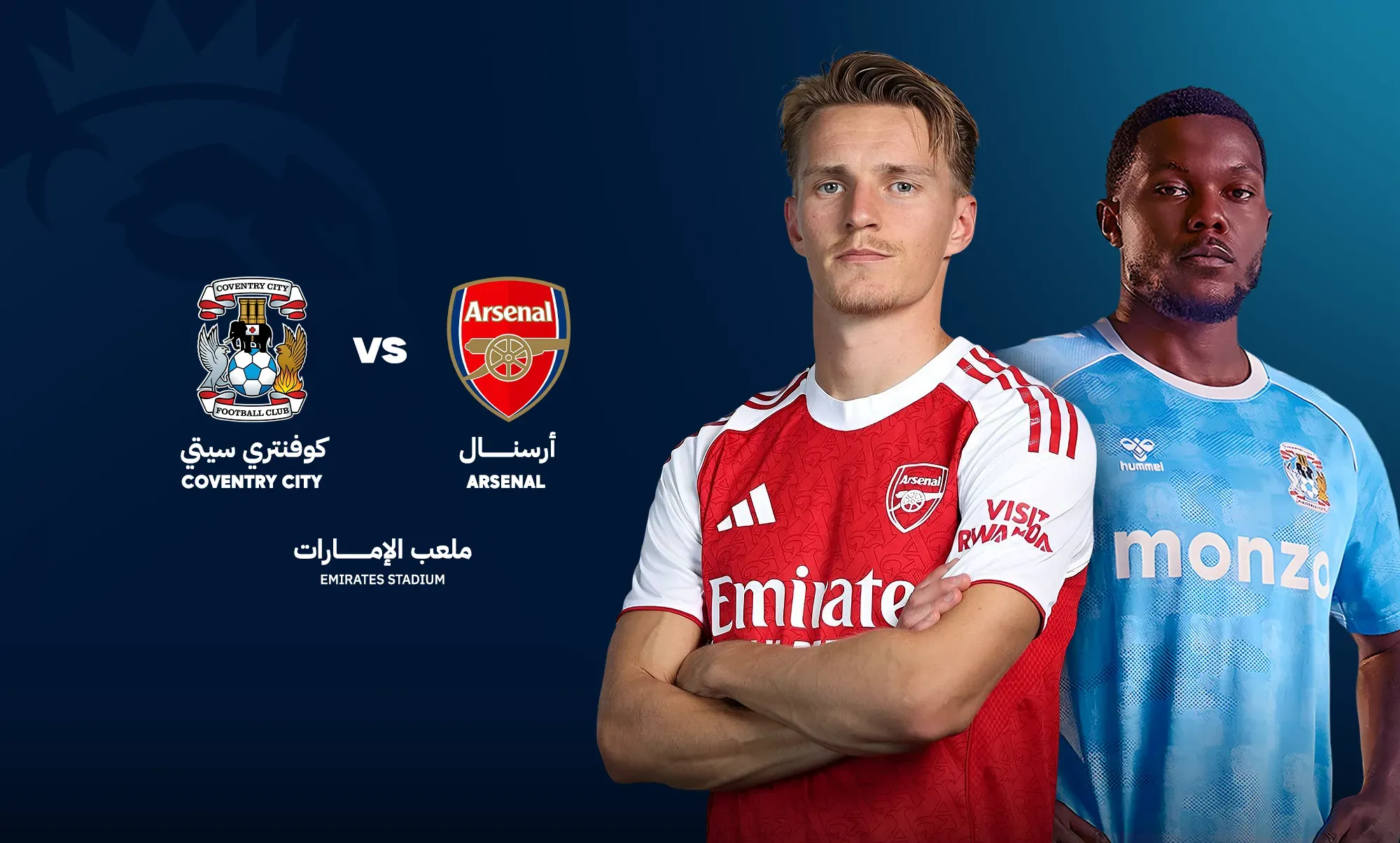
Arsenal vs Coventry City - Premier League
Friday 21 August @ 10:00 pm•Emirates Stadium

Hull City vs Manchester United - Premier League
Saturday 22 August @ 12:30 pm•mkm stadium
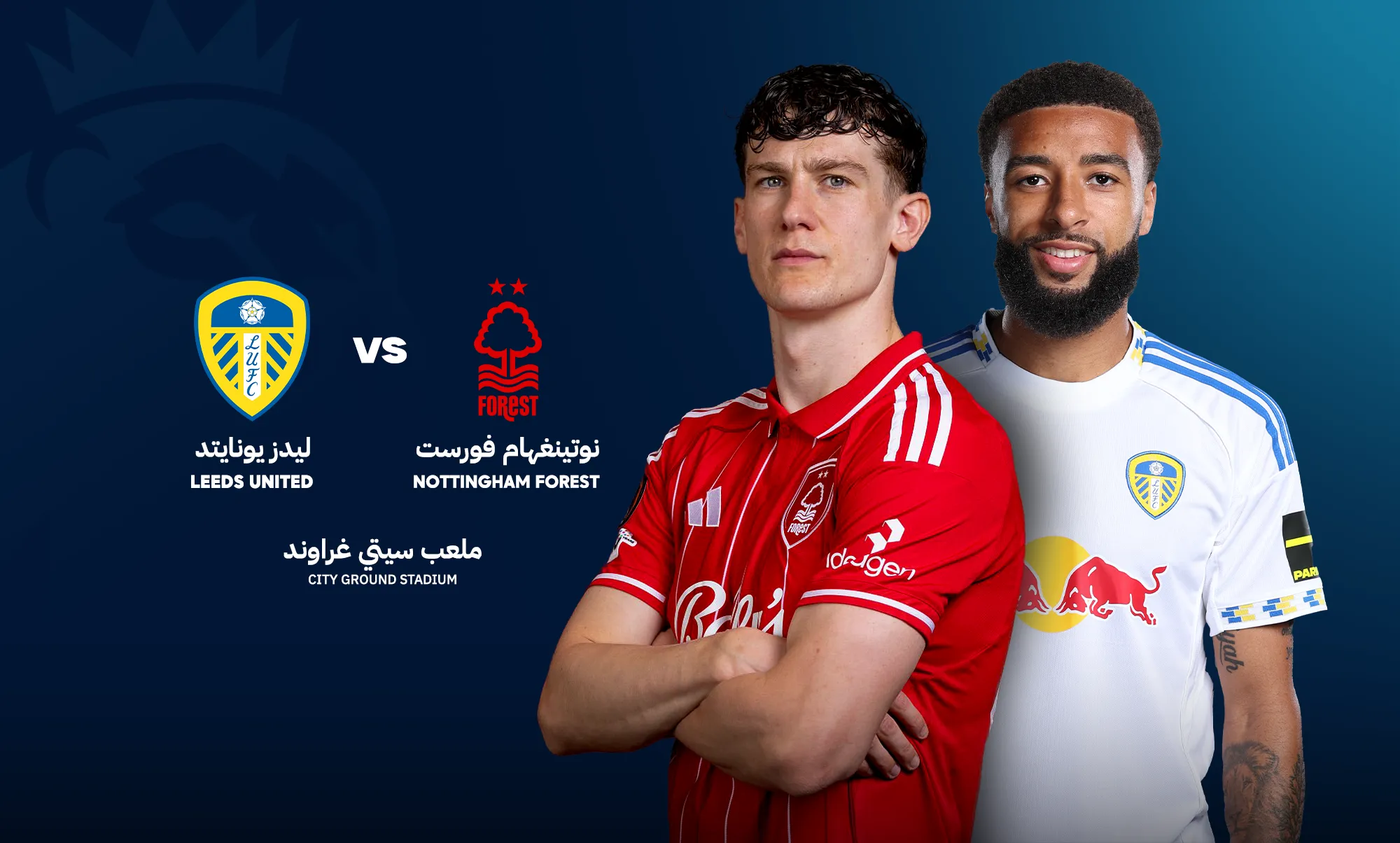
Nottingham Forest vs Leeds United - Premier League
Saturday 22 August @ 3:00 pm•City Ground Stadium
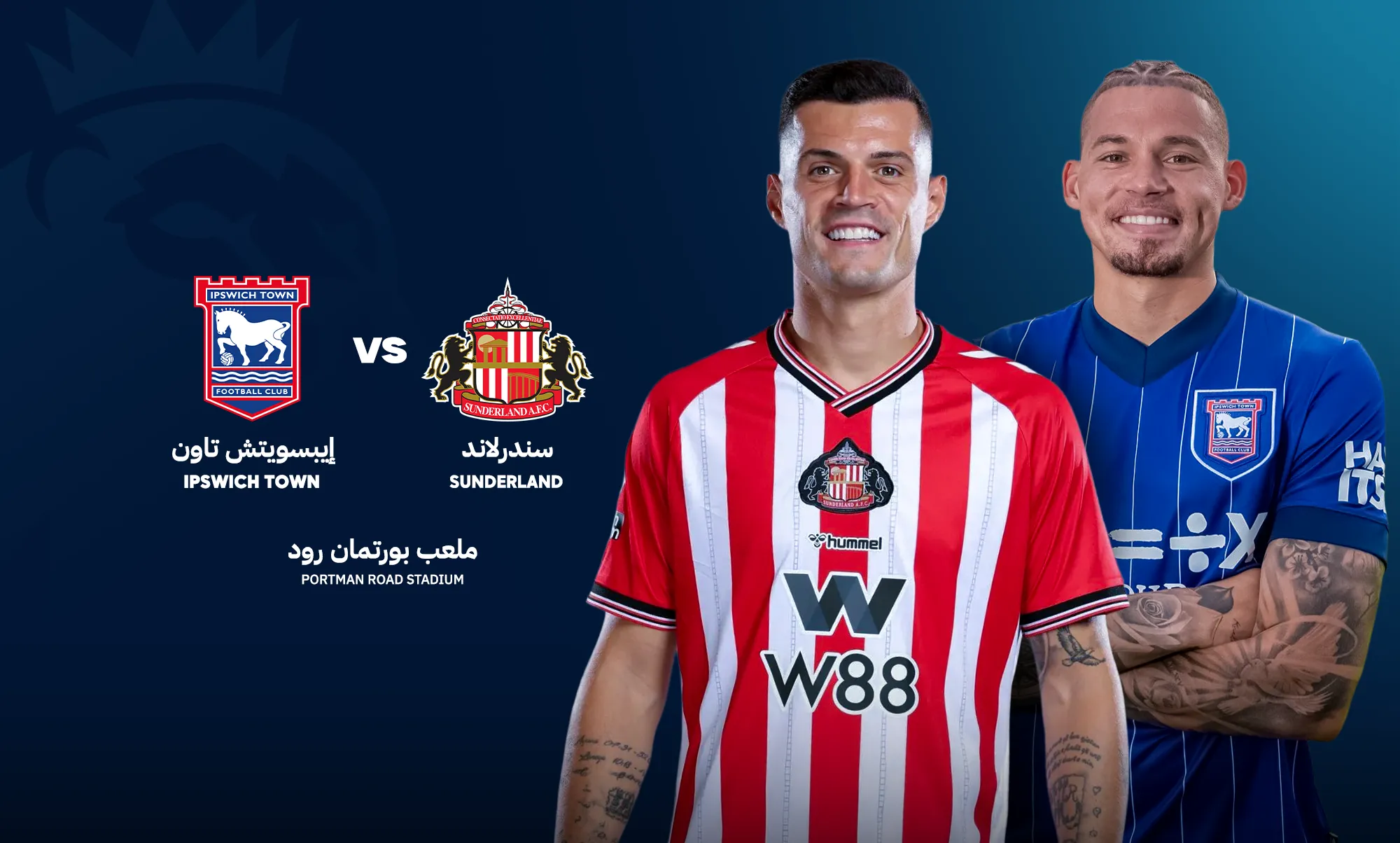
Ipswich Town vs Sunderland - Premier League
Saturday 22 August @ 3:00 pm•Portman Road Stadium
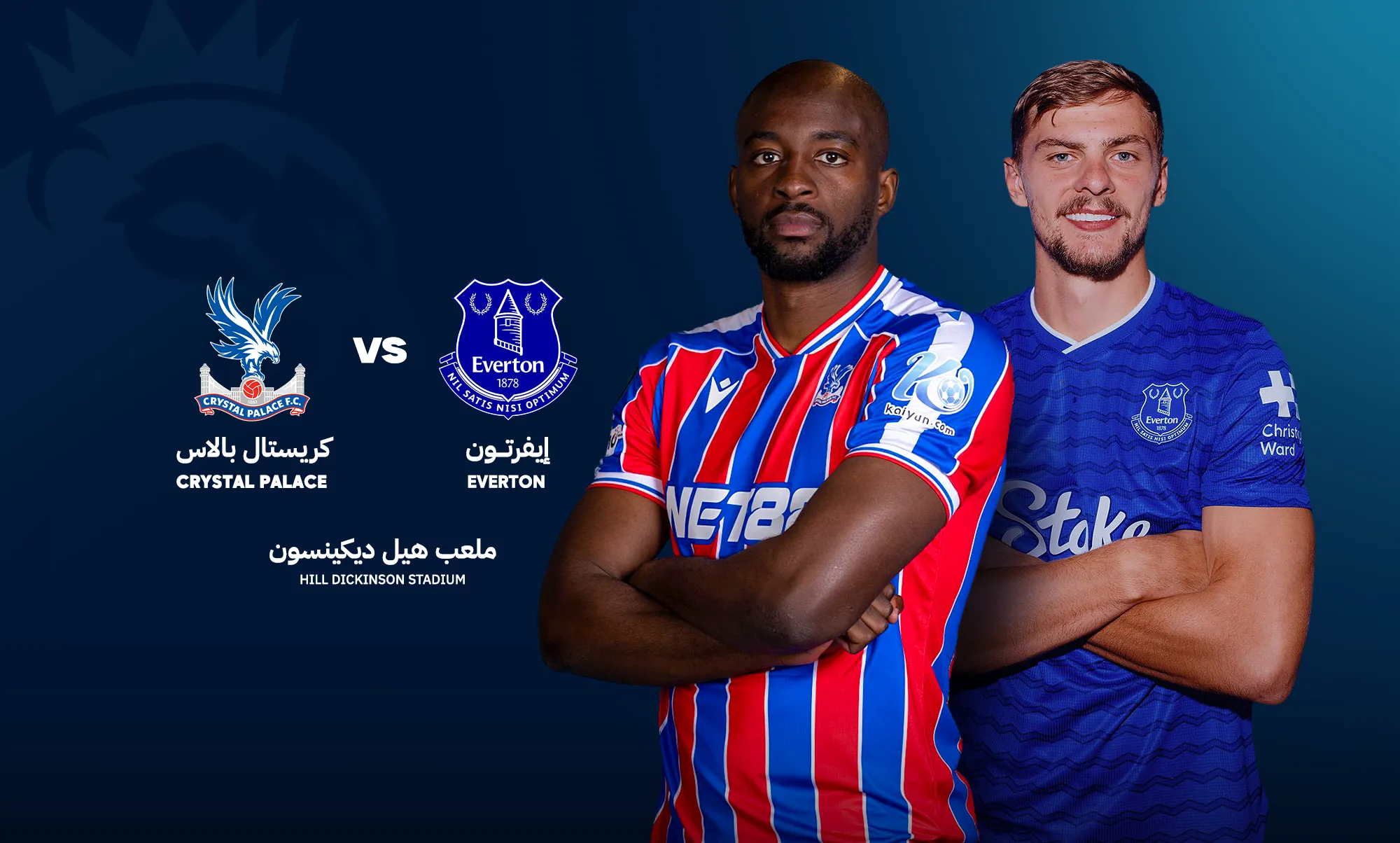
Everton vs Crystal Palace - Premier League
Saturday 22 August @ 3:00 pm•Hill Dickenson Stadium

Brentford vs Tottenham Hotspur - Premier League
Saturday 22 August @ 5:30 pm•Gtech Community Stadium
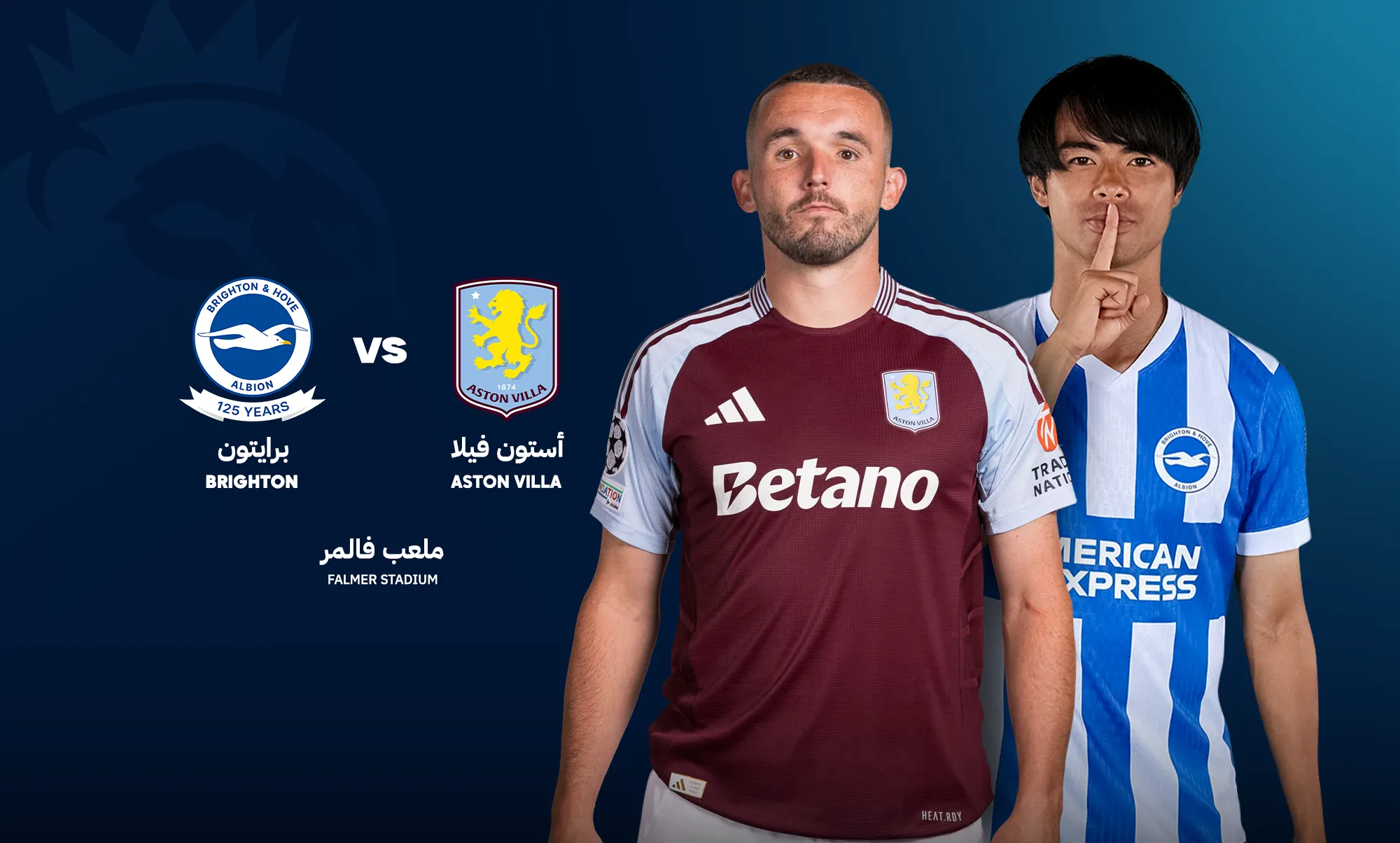
Brighton vs Aston Villa - Premier League
Sunday 23 August @ 2:00 pm•Amex Stadium
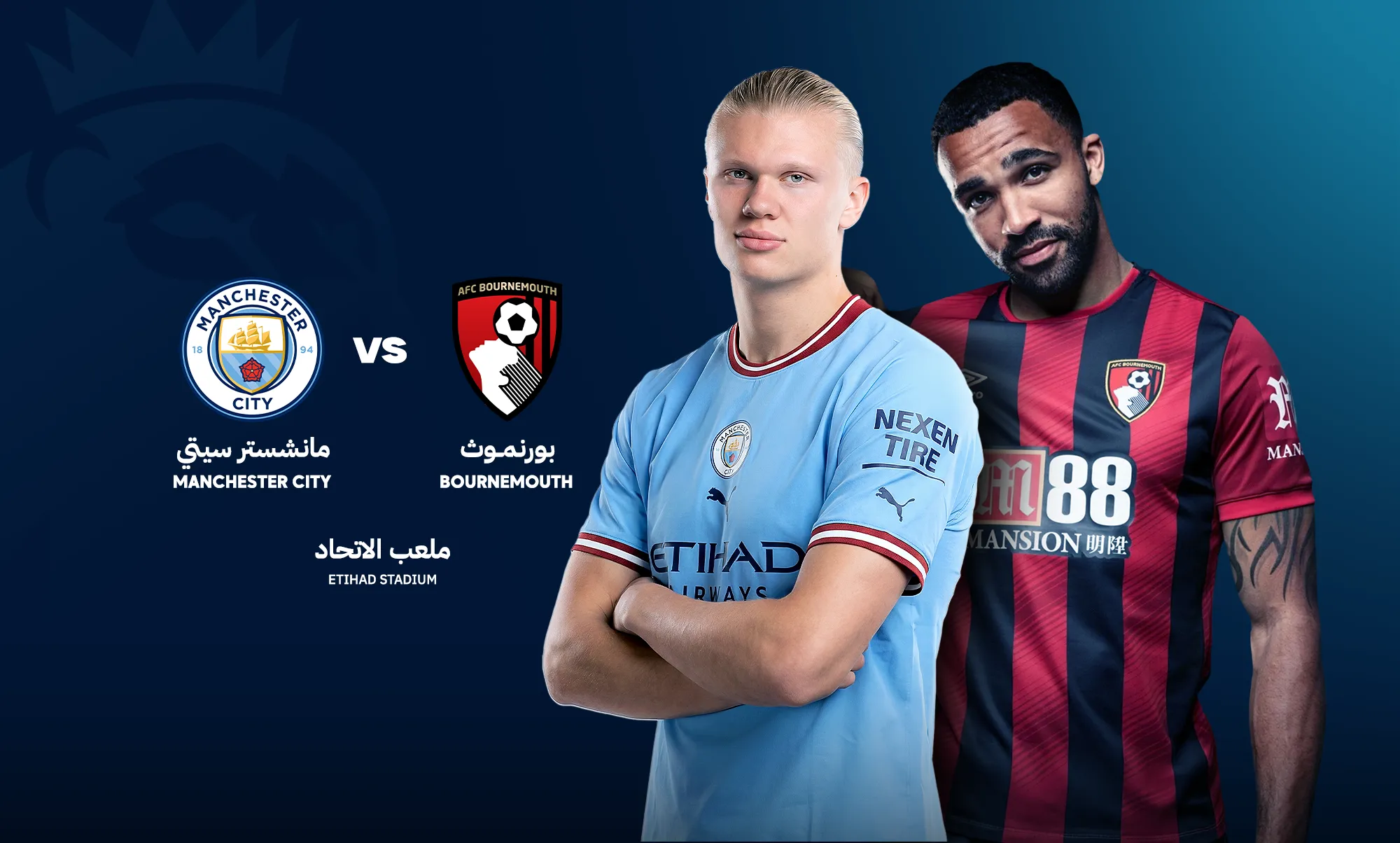
Manchester City vs Bournemouth - Premier League
Sunday 23 August @ 2:00 pm•Etihad Stadium
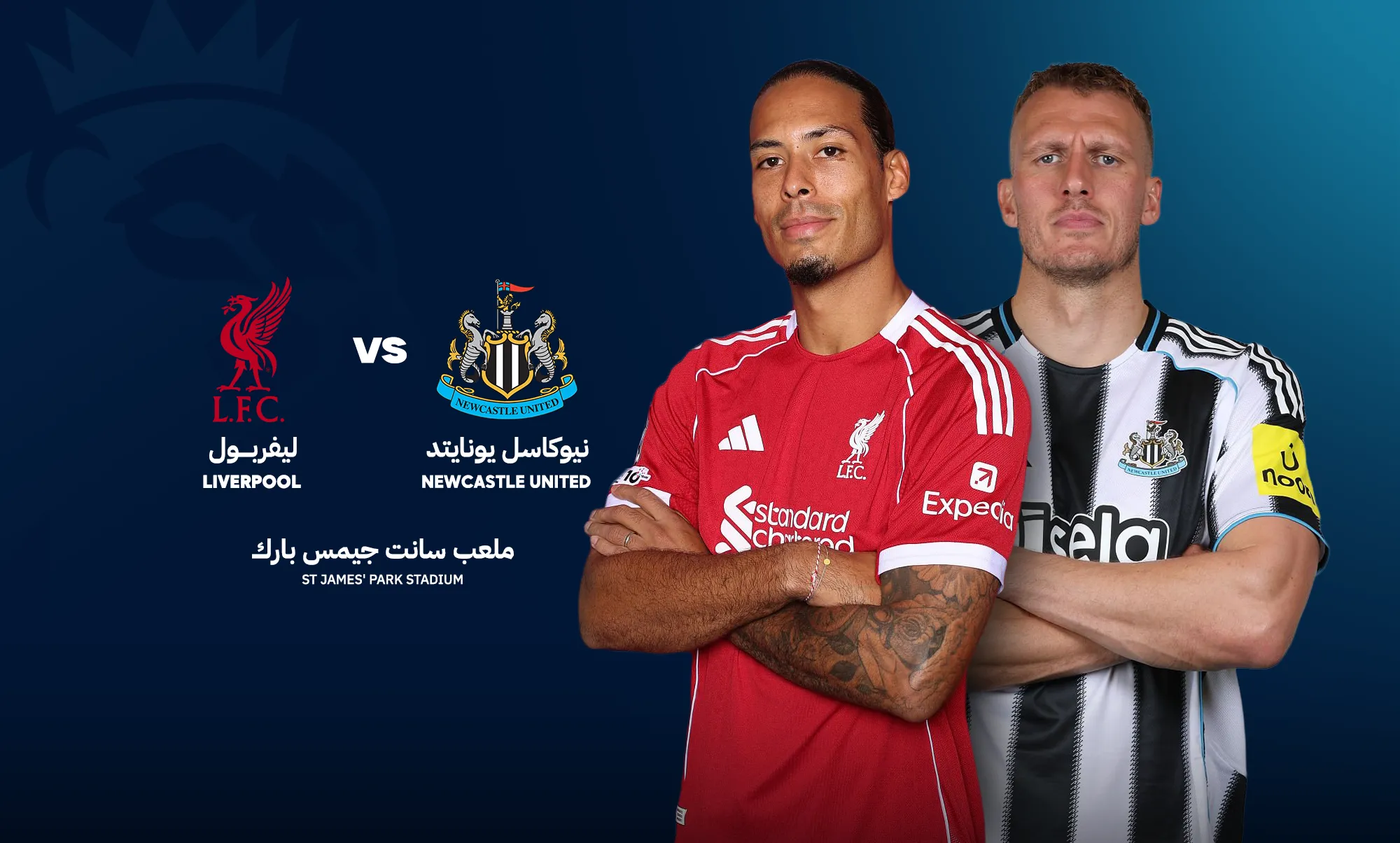
Newcastle United vs Liverpool - Premier League
Sunday 23 August @ 4:30 pm•St James' Park Stadium
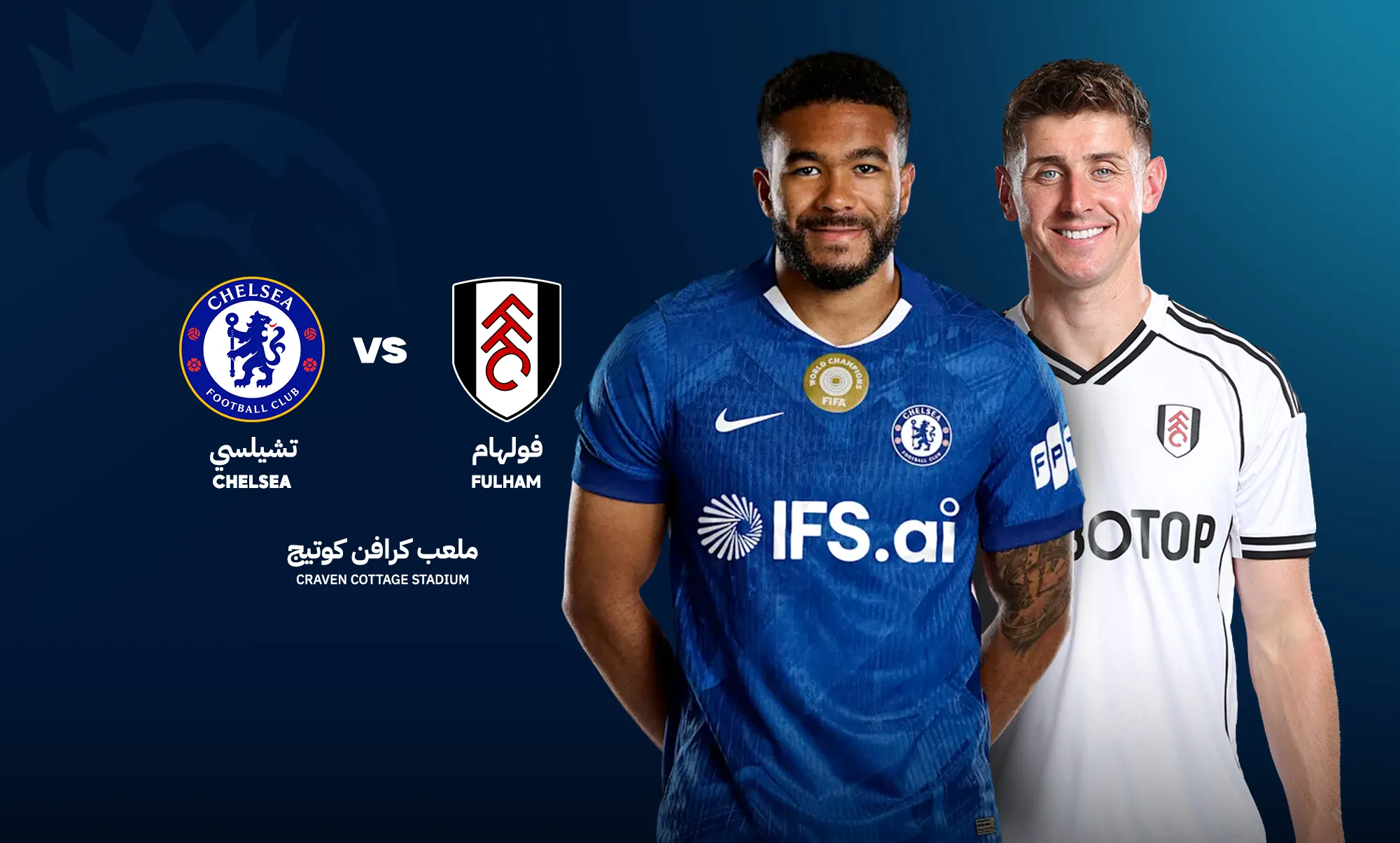
Fulham vs Chelsea - Premier League
Monday 24 August @ 8:00 pm•Craven Cottage Stadium
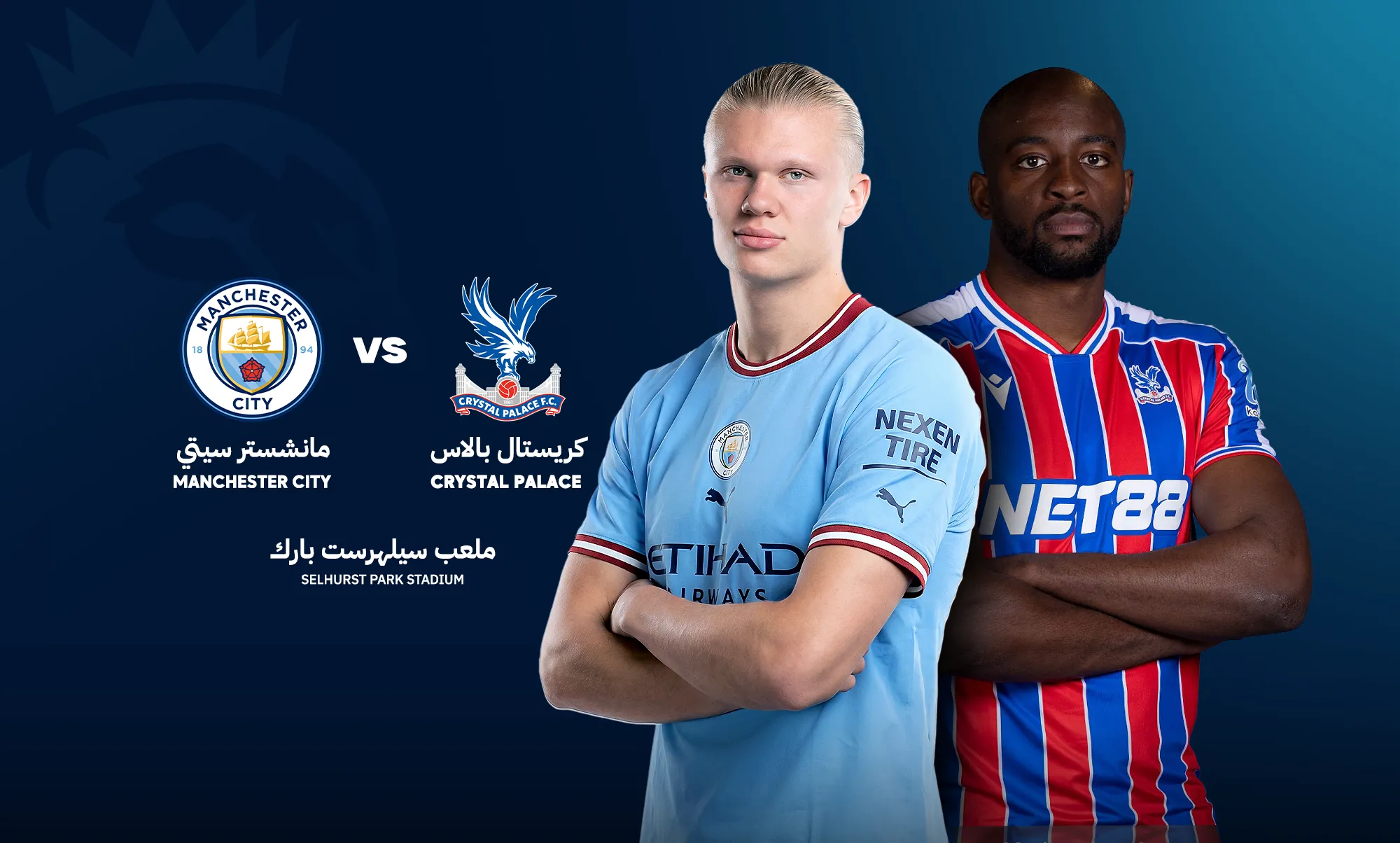
Crystal Palace vs Manchester City - English Premier League
Friday 28 August @ 8:00 pm•Selhurst Park Stadium
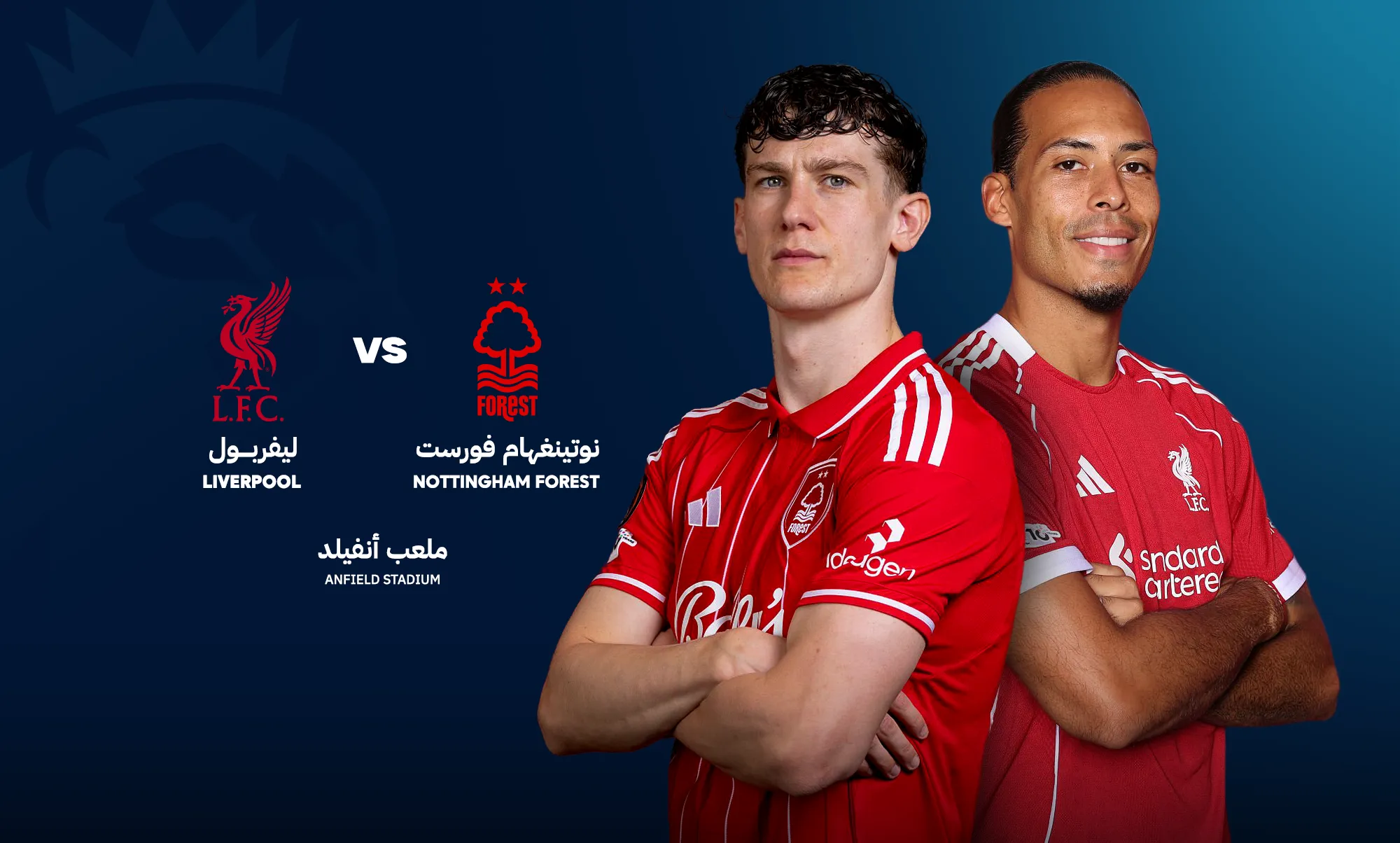
Liverpool vs Nottingham Forest - Premier League
Saturday 29 August @ 12:30 pm•Anfield Stadium

Coventry City vs Hull City - Premier League
Saturday 29 August @ 3:00 pm•Coventry Building Society Arena

Leeds United vs Brentford - Premier League
Saturday 29 August @ 3:00 pm•Elland Road Stadium
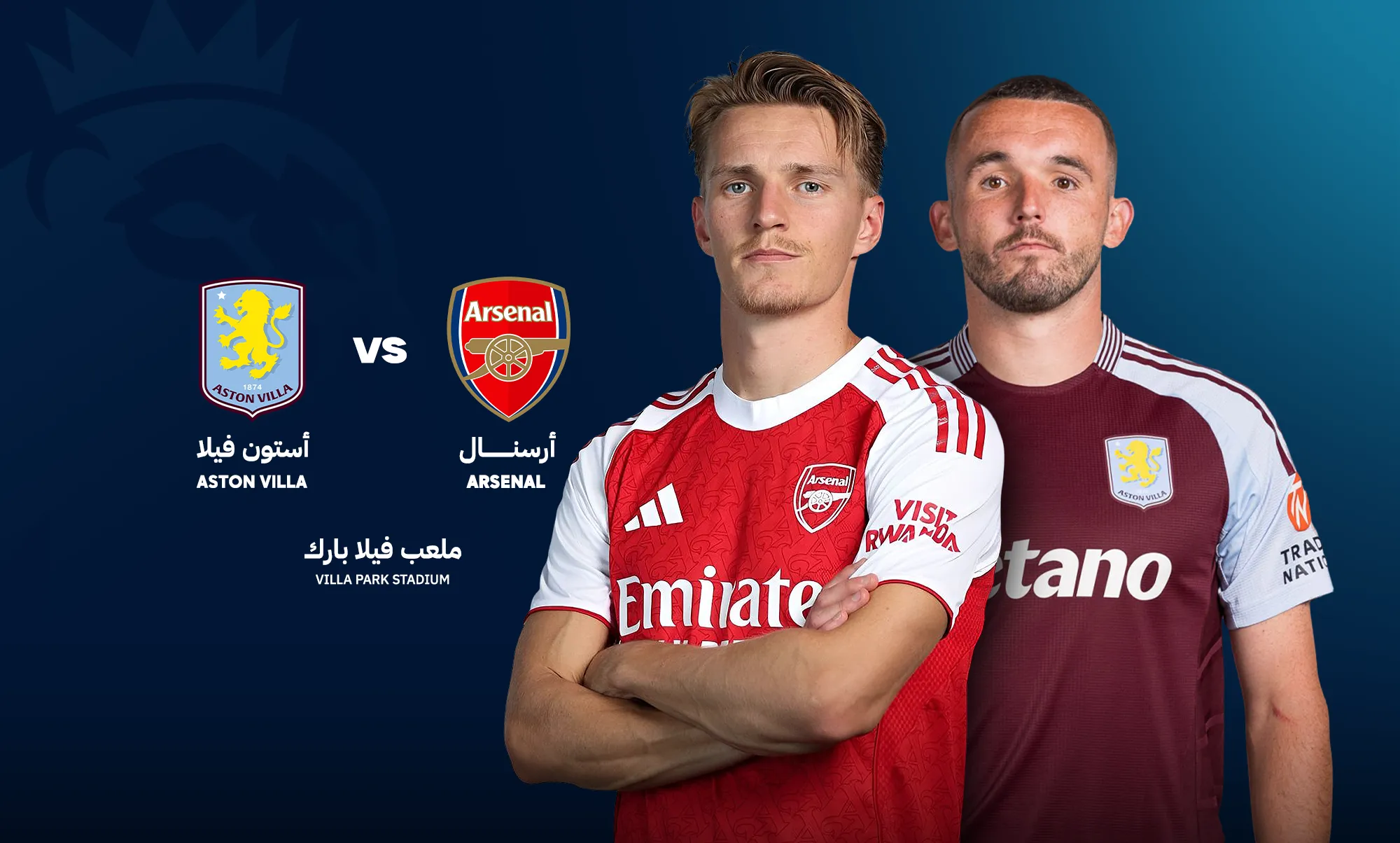
Aston Villa vs Arsenal - Premier League
Saturday 29 August @ 3:00 pm•Villa Park Stadium
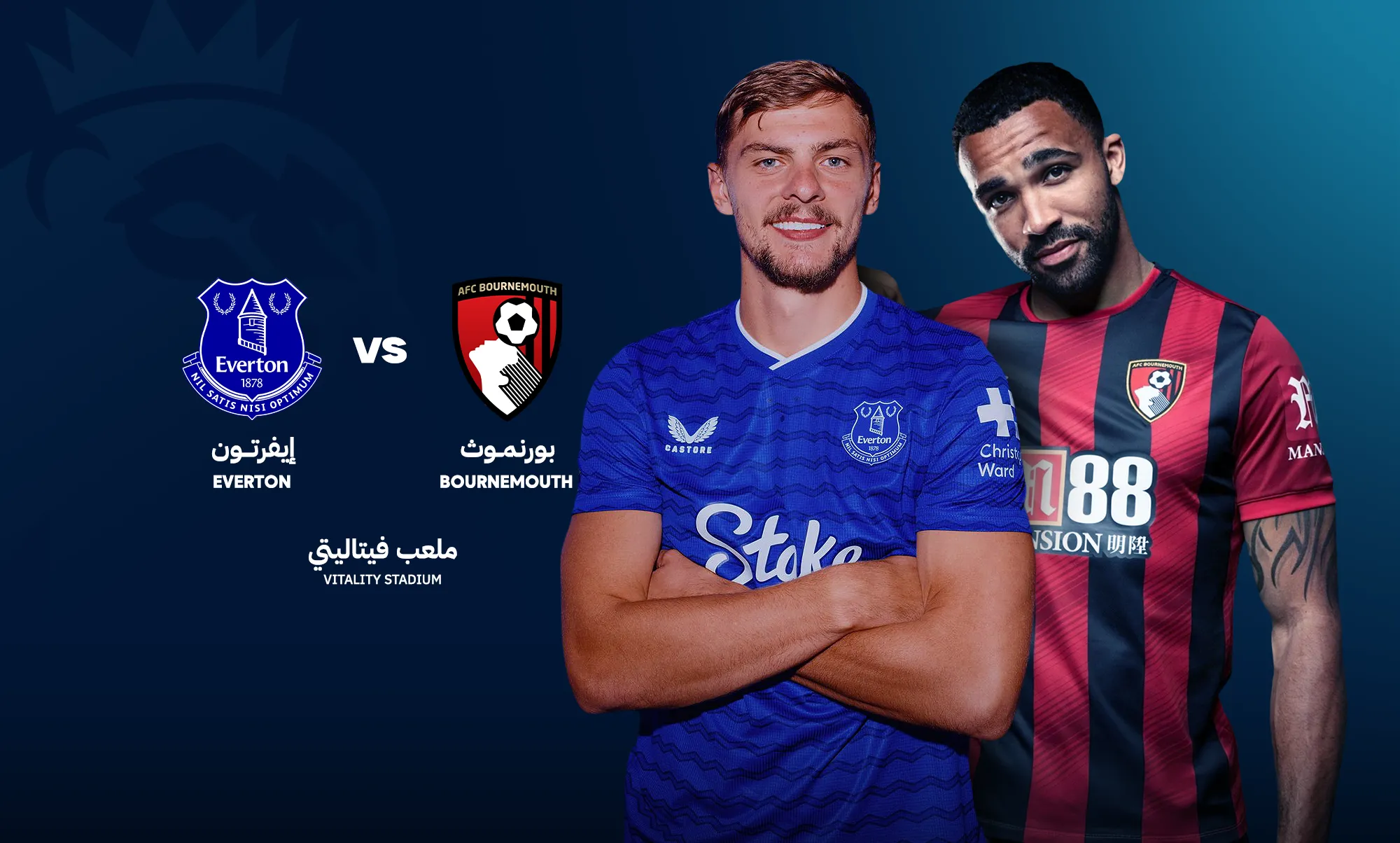
Bournemouth vs Everton - Premier League
Saturday 29 August @ 3:00 pm•Vitality Stadium
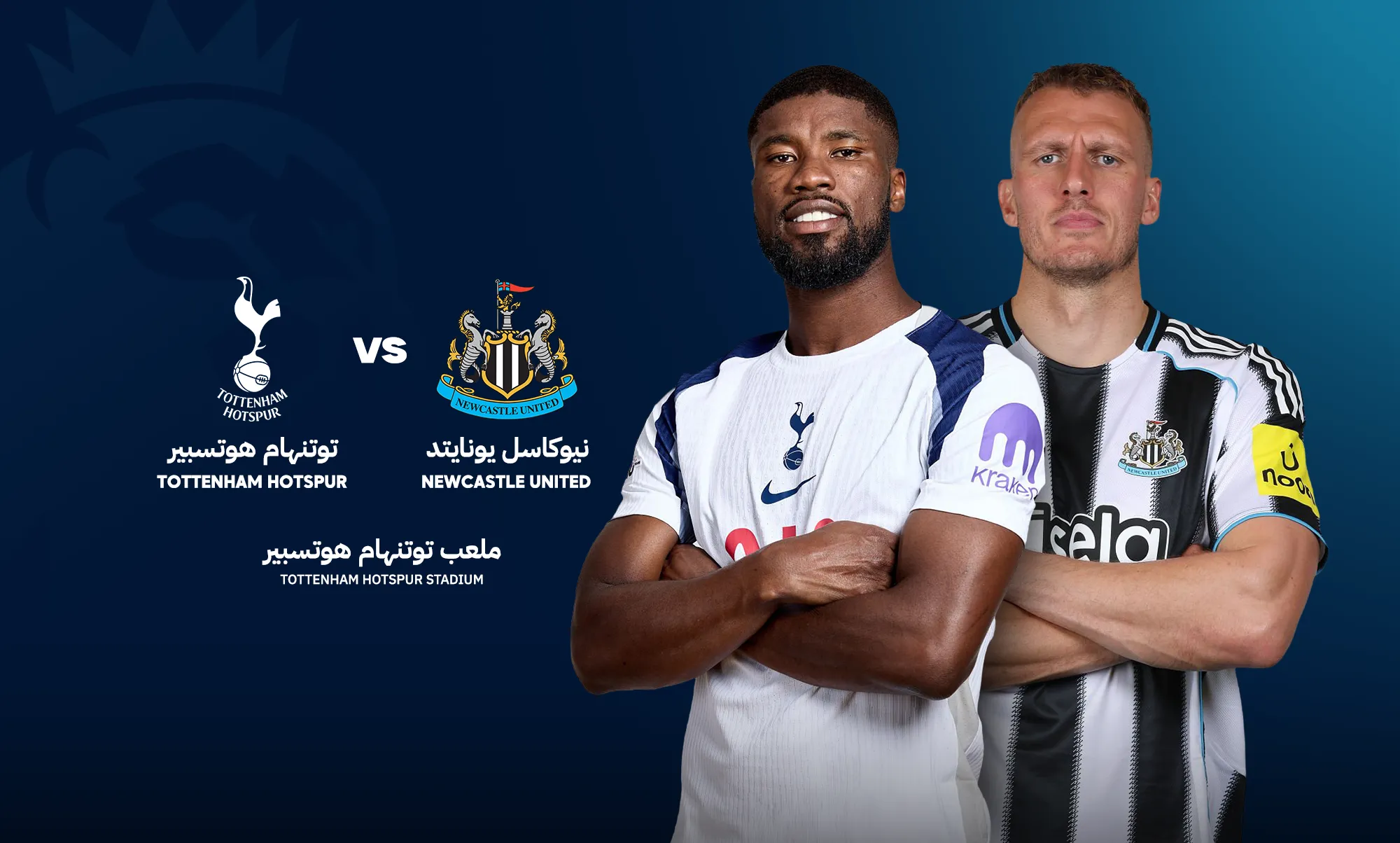
Tottenham Hotspur vs Newcastle United - Premier League
Saturday 29 August @ 5:00 pm•Tottenham Hotspur Stadium
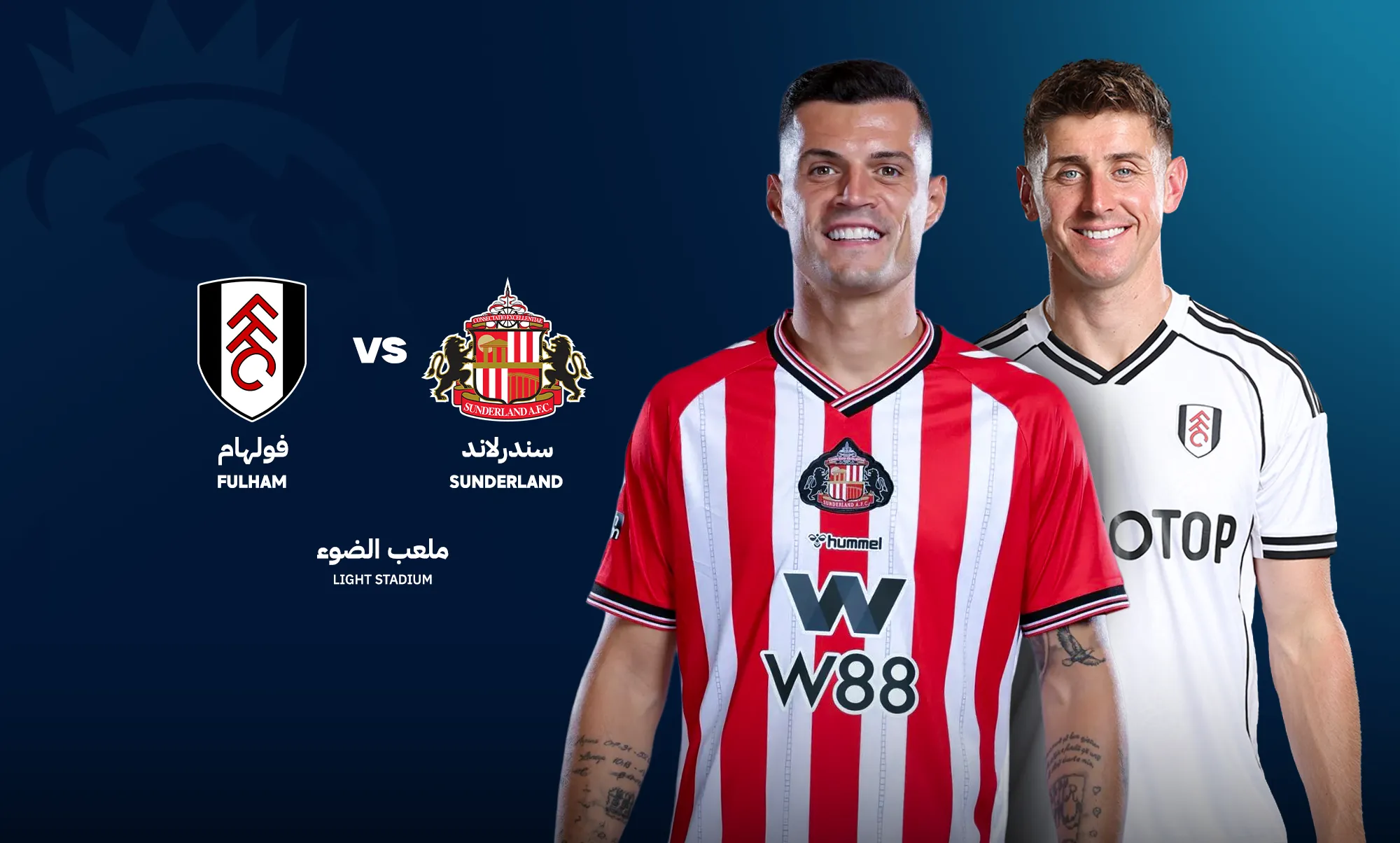
Sunderland vs Fulham - Premier League
Sunday 30 August @ 2:00 pm•Stadium of Light
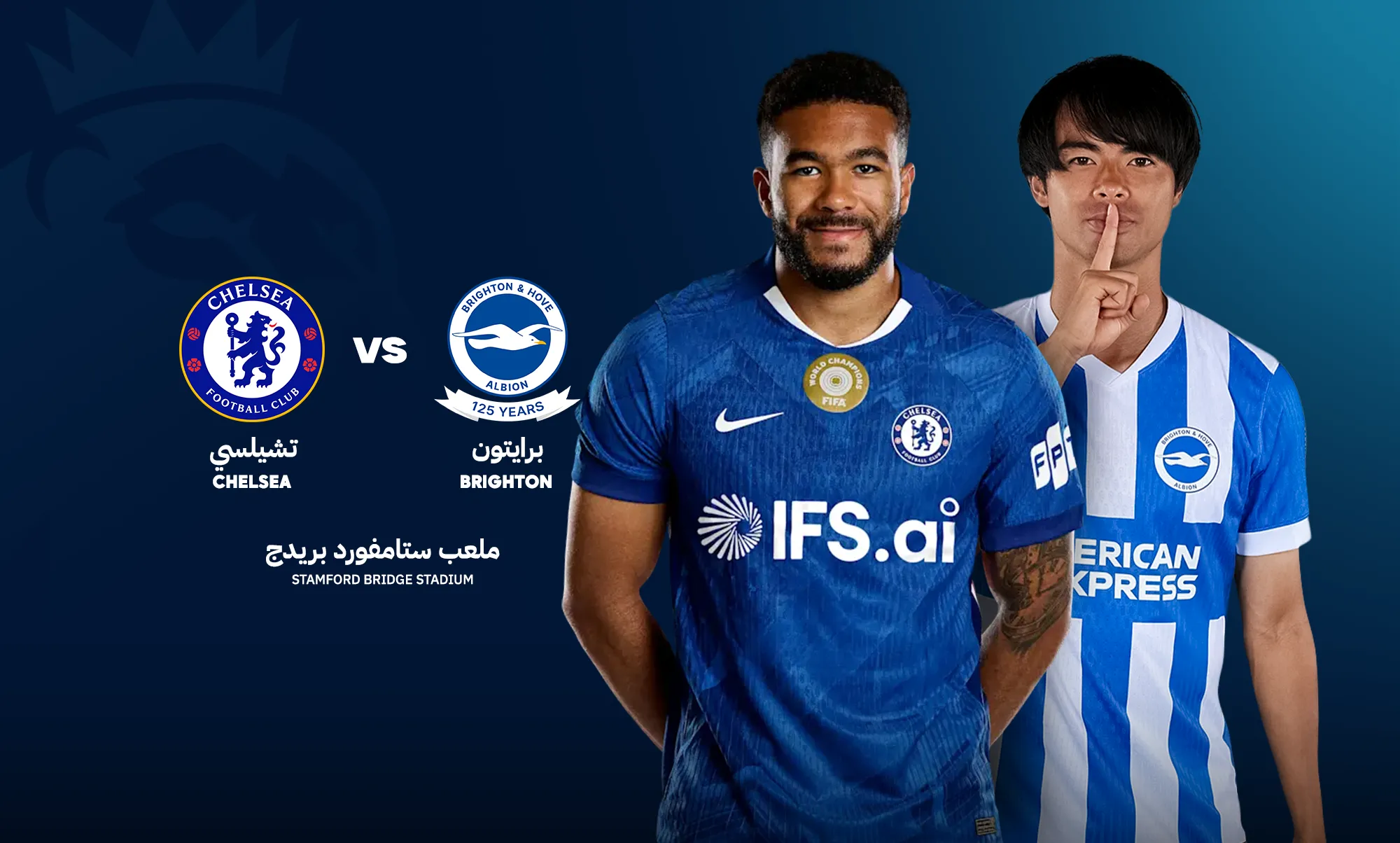
Chelsea vs Brighton – Premier League
Sunday 30 August @ 2:00 pm•Stamford Bridge Stadium
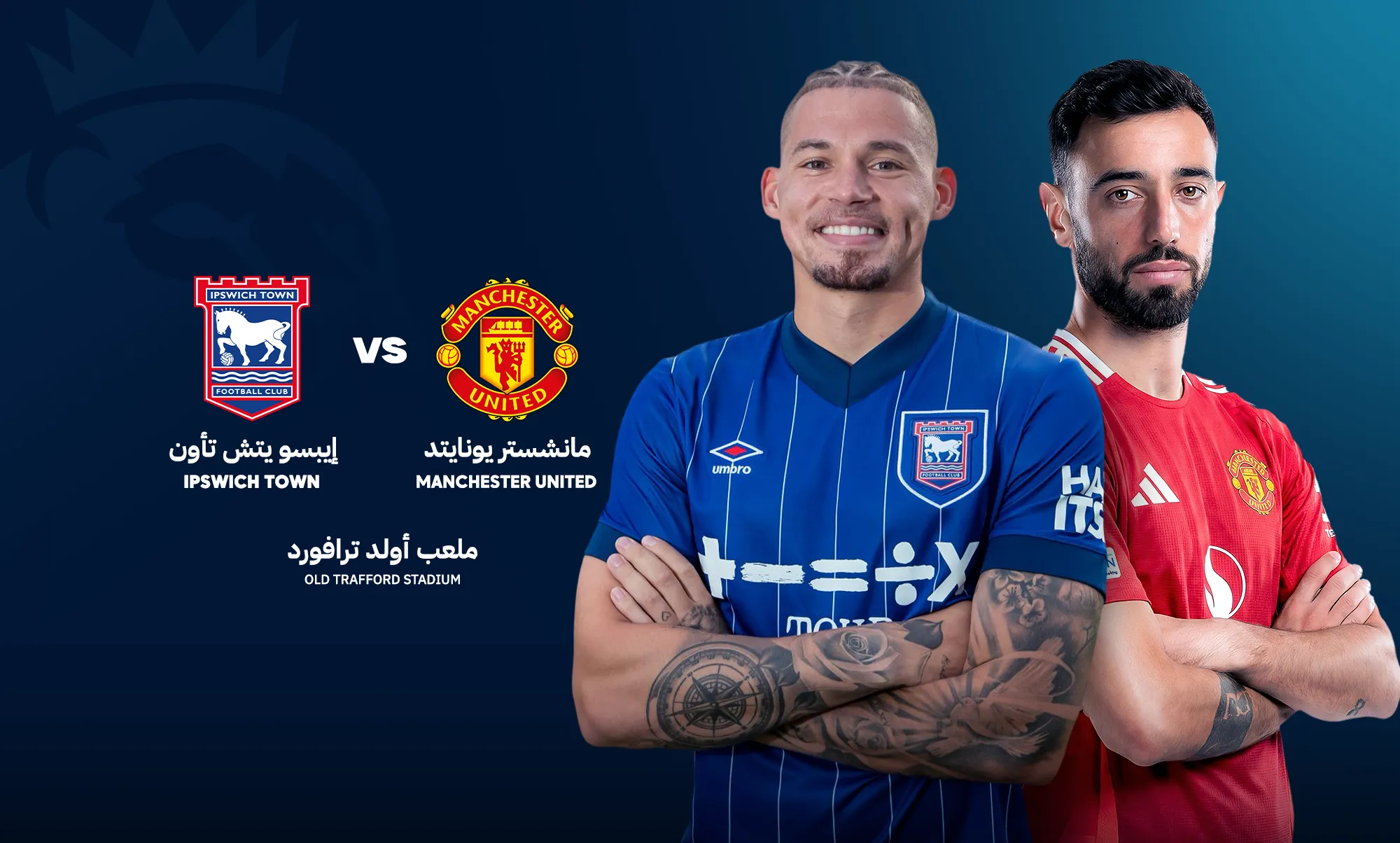
Manchester United vs Ipswich Town - Premier League
Sunday 30 August @ 4:30 pm•old trafford

100% protected tickets
If anything happens, we've got you covered.
Book Your English Premier League (EPL) Tickets 2026-2027: Experience the Ultimate Football Drama via FansPass
The English Premier League is gearing up for what promises to be an exceptional season by all standards, carrying within it one of the largest technical shake-ups the "Big Clubs" have ever witnessed in a single transitional period. This comes on the heels of the 2025-26 season, which concluded with one of the most dramatic finishes in the modern history of the competition. Under the leadership of Mikel Arteta, Arsenal shattered a 22-year title drought, returning to the throne of English football for the first time since Arsène Wenger's legendary "Invincibles" campaign of 2003-04.
The title was decided in a picture-perfect finale on the last day of the season. The Gunners secured a narrow 1-0 victory over Burnley, needing only to ensure that their closest pursuers, Manchester City, failed to win against Bournemouth. This scenario materialized as the Citizens were held to a 1-1 draw at the Vitality Stadium, crowning Arsenal champions with 85 points—7 points ahead of runners-up Manchester City. This historic triumph was built on a defensive rock, with goalkeeper David Raya recording 19 clean sheets to claim the Golden Glove award for the third consecutive season. Meanwhile, the Golden Boot went to Manchester City’s Norwegian clinical striker, Erling Haaland, who bagged 27 goals—marking his third top-scorer title in just four seasons.
However, the biggest headline of the summer was not the on-pitch results of the previous campaign, but the seismic waves that hit the technical benches of the giant clubs. At the center of this structural earthquake was the departure of the legendary Pep Guardiola from Manchester City after a historic decade-long tenure since 2016, during which he clinched over 20 official trophies to become the most successful manager in the club's history. His successor arrived in a fascinating appointment from within the "family": Manchester City secured the services of Italian manager Enzo Maresca directly from Chelsea. Maresca, who previously served as Guardiola's assistant during the historic 2018-19 treble-winning campaign, joined in a deal that saw City pay Chelsea an estimated compensation fee of £17 million. This departure triggered a domino effect at Stamford Bridge. Chelsea had appointed Englishman Liam Rosenior as Maresca's successor in January 2026, only to sack him in April after the Blues slumped to 10th place, missing out on European football. They finally settled on appointing Spaniard Xabi Alonso as their new manager ahead of the upcoming campaign.
Manchester United and Liverpool were not spared from this wave of managerial changes either. At Old Trafford, Michael Carrick transitioned from interim to permanent manager following the dismissal of Portuguese coach Rúben Amorim, after successfully guiding the Red Devils back to the UEFA Champions League, signing a contract that runs until 2028. Over at Anfield, Liverpool bid farewell to Dutch manager Arne Slot after just two seasons, swiftly securing the signature of Spaniard Andoni Iraola from Bournemouth to spearhead the Reds' new era. Only Arsenal remained insulated from this managerial merry-go-round, maintaining absolute faith in Arteta, who has firmly established himself as one of the greatest managers in the club's history following his latest historic achievement.
On the transfer front, Manchester City registered the most expensive signing of the summer by recruiting Elliot Anderson from Nottingham Forest for a staggering £116.1 million. Meanwhile, Tottenham Hotspur topped the spending charts, pulling off marquee deals for Sandro Tonali from Newcastle United (£92.5 million) and Jan Paul van Hecke from Brighton (£51.6 million). Chelsea bolstered their ranks with Geovany Quenda and Marco Balestra, whereas Manchester United signed the highly-rated Brazilian youngster Andrey Santos from Chelsea. Liverpool secured the promising duo of Guéla Doué from Rennes and Víctor Muñoz from Osasuna. On the other end, promotion was officially sealed for Coventry City, Ipswich Town, and Hull City coming up from the Championship, replacing West Ham United, Burnley, and Wolverhampton Wanderers, who were relegated last season.
In light of these thrilling developments, the 2026-27 Premier League season is destined to be one of the most competitive and unpredictable campaigns in years, featuring three newly-promoted sides and radical coaching overhauls among the traditional giants. For those wishing to experience the unmatched atmosphere of the world's oldest and most prestigious league firsthand, FansPass offers a seamless, highly secure platform to book and purchase your Premier League tickets.
The Anatomy of an English Matchday: How to Live the Experience Like a Local
Attending a Premier League game is a full-day ritual that begins hours before the referee blows the starting whistle. To truly experience it like a local, you must embrace the time-honored British traditions:
- The Pre-Match Pub Ritual (The Pub Ritual): Hours before kickoff, the streets surrounding the stadium come alive. Supporters gather in historic local pubs, singing club anthems and debating tactics over pints in a warm, communal atmosphere that has connected generations of fans.
- The Wit of English Chanting: Unlike the continuous drumming of continental European stadiums, English crowds are famous for their situational humor and spontaneous chanting. The stadium becomes a giant choir, firing witty, self-deprecating, or highly passionate songs back and forth across the stands.
- The "Box-to-Box" Pace: Premier League football is played at a breakneck speed. The transition from defense to attack happens in the blink of an eye, and the physical commitment of the players means the crowd is constantly roaring at every sliding tackle, sprint, and aerial duel.
Start and End Dates of the 2026-2027 Premier League Season
The relentless journey of the 2026-2027 Premier League season officially gets underway in mid-August 2026 with a blockbuster Friday night fixture under the floodlights. The campaign will steam ahead through the grueling autumn months, reaching its festive climax during the legendary "Christmas and Boxing Day" period in late December and early January, where teams play almost every three days—a ultimate test of squad depth and physical fitness. The curtain will finally fall on this epic campaign on a synchronized Sunday in late May 2027, where all ten matches kick off at the exact same time on a final day historically famous for its heart-stopping drama.
Premier League Teams 2026-27
The 2026-27 season features 20 competing clubs. Seventeen teams preserved their top-flight status from the previous campaign, joined by three newly-promoted sides from the Championship, following the relegation of West Ham United, Burnley, and Wolverhampton Wanderers. The complete lineup of the twenty participating clubs is as follows:
- The 17 Retained Clubs: Arsenal, Manchester City, Manchester United, Aston Villa, Liverpool, Bournemouth, Sunderland, Brighton & Hove Albion, Tottenham Hotspur, Chelsea, Newcastle United, Fulham, Brentford, Everton, Crystal Palace, Nottingham Forest, and Leeds United.
- The 3 Promoted Clubs: Coventry City (returning after a 25-year absence), Ipswich Town (returning after just one season in the Championship), and Hull City (returning after a 9-year absence).
Premier League Stadiums
Every Premier League club boasts a stadium that forms an integral part of its identity, heritage, and local community. Notable arenas for this season include:
- Emirates Stadium (Arsenal) – London
- Etihad Stadium (Manchester City) – Manchester
- Old Trafford (Manchester United) – Manchester
- Anfield (Liverpool) – Liverpool
- Stamford Bridge (Chelsea) – London
- Tottenham Hotspur Stadium (Tottenham) – London
- Villa Park (Aston Villa) – Birmingham
- St James' Park (Newcastle United) – Newcastle
- Bramley-Moore Dock Stadium (Everton) – Liverpool (The club's brand new state-of-the-art stadium on the waterfront)
- Selhurst Park (Crystal Palace) – London
- Craven Cottage (Fulham) – London
- Gtech Community Stadium (Brentford) – London
- Amex Stadium (Brighton) – Falmer
- Vitality Stadium (Bournemouth) – Bournemouth
- City Ground (Nottingham Forest) – Nottingham
- Stadium of Light (Sunderland) – Sunderland
- Elland Road (Leeds United) – Leeds
- Coventry Building Society Arena (Coventry City) – Coventry
- Portman Road (Ipswich Town) – Ipswich
- MKM Stadium (Hull City) – Hull
Old Trafford remains the largest club stadium in the competition, with an operating capacity exceeding 74,000 spectators, followed by the ultra-modern Tottenham Hotspur Stadium, the Etihad Stadium, and Anfield, making up the top five largest venues in the league.
Iconic Rivalries You Must Witness Live in 2026-2027
The Premier League calendar is dotted with historic, fiercely contested derbies where form guides are thrown out of the window and raw passion takes center stage:
1. The North-West Derby
- Teams: Manchester United vs. Liverpool.
- Stadium: Old Trafford (Manchester) or Anfield (Liverpool).
- Why Attend? This is undisputed as the biggest and most watched game in English football. It is a clash of pure prestige and historic supremacy between the two most decorated clubs in the country, representing a deep-seated industrial and cultural rivalry between the cities of Manchester and Liverpool.
2. The North London Derby
- Teams: Arsenal vs. Tottenham Hotspur.
- Stadium: Emirates Stadium or Tottenham Hotspur Stadium (London).
- Why Attend? A bitter, highly emotional local feud that splits North London down the middle. This fixture is famous for producing high-scoring, chaotic games, with deafening noise levels in the stands that transcend belief.
3. The Merseyside Derby
- Teams: Everton vs. Liverpool.
- Stadium: Bramley-Moore Dock Stadium or Anfield (Liverpool).
- Why Attend? Historically referred to as the "Friendly Derby" because local families are often split between blue and red, but on the pitch, it is a physical battle characterized by relentless pace, crunching tackles, and tribal local pride.
4. The Manchester Derby
- Teams: Manchester City vs. Manchester United.
- Stadium: Etihad Stadium or Old Trafford (Manchester).
- Why Attend? A battle for the local throne that has evolved into a massive global spectacle. Watch the historic, romantic prestige of United clash with the modern, tactical machinery of City for ultimate city bragging rights.
Ticket Pricing for the 2026-2027 Season: A Complete Guide
Premier League ticket pricing varies based on the category of the match (Category A* blockbuster games and Big Six clashes versus Category B or C fixtures) and the hosting stadium. Below is a realistic pricing guide to help you plan your budget:
- The Local End / Shortside (Behind the Goals): Prices generally range from $60 to $95 for standard matches, and rise to $110 to $180 for major derbies. These sections are home to the most vocal local supporters and offer a raw, highly energetic matchday atmosphere.
- Upper Longside (Mid-Tier & Upper Sideline): Prices range from $90 to $145 for standard games, and between $180 to $290 for high-profile clashes. This tier offers an exceptional panoramic view of the entire pitch—ideal for families and international tourists.
- Lower Longside (Lower Sideline / Near the Pitch): Prices range from $160 to $260 for standard games, and between $320 to $520 for top-tier matches. Put yourself just meters away from the world's most famous players and managers, hearing the referee's whistle and the crunch of tackles.
- Premium Club & Matchday Hospitality: Prices range from $380 to $700 for standard games, and $800 to $1,800 for blockbuster fixtures. This offers a luxurious day out, including padded stadium seating, multi-course dining, complimentary drinks, appearances by club legends, and fast-track entry.
How Can I Book My Premier League Tickets via FansPass?
FansPass makes securing your Premier League tickets simple, secure, and straightforward. Just follow these easy steps:
- Select the Premier League: Choose the "English Premier League" category upon entering the FansPass platform.
- Choose Your Match: Browse the schedule of available fixtures and select the game you wish to attend.
- Select Ticket Category: Choose your preferred seat category, stadium tier, and the number of tickets required.
- Apply Promo Code: Enter your discount or promo code in the designated field (if available) to benefit from promotional rates.
- Enter Personal Details: Input your accurate contact information and email address to process the booking and receive your tickets.
- Complete Payment: Select your preferred secure payment method, whether via credit card or using your FansPass wallet.
- Receive Your Tickets: Once the payment is successfully completed, check your email inbox where your secure digital tickets will be ready for use.
How Can I Guarantee the Lowest Price for Premier League Tickets?
If you select a seat for a match on our platform and find a cheaper price for the exact same seat elsewhere, simply contact us via WhatsApp with the following information:
- The email address linked to your FansPass account.
- Your full name and telephone number.
- Your FansPass order number, along with the name of the website where you found the lower price.
- The link to the checkout page on the competitor's website.
- A screenshot showing the final competitor price at checkout (including all service fees and taxes) along with the date and time.
Our dedicated customer support team will verify your request and assist you within 30 minutes of receiving your query.
What is the Best Platform to Resell Premier League Tickets?
FansPass is widely considered by football supporters to be the premier platform for reselling Premier League tickets, thanks to its highly trusted marketplace and absolute price transparency. Sellers can easily list their tickets, while buyers can track price drops, filter by the best available deals, and purchase with absolute confidence backed by our comprehensive Buyer Guarantee. Whether you are selling tickets for a Big Six blockbuster or a newly-promoted side's home fixture, FansPass makes the process effortless.
Why is FansPass the Safest Choice for Premier League Fans?
UK laws regarding football ticketing are incredibly strict to ensure safety and prevent ticket touting. FansPass is specifically engineered to navigate these rules seamlessly, protecting you from any legal or entry issues:
- 100% Verified & Legal Sources: We operate alongside a vetted network of official club partners, authorized corporate hospitality agents, and verified season-ticket holders, ensuring every single ticket is genuine and valid for entry.
- NFC & Mobile Wallet Integration: Most Premier League clubs have transitioned to contactless mobile ticketing. FansPass delivers these tickets directly as secure NFC passes that you download to your Apple Wallet or Google Pay, allowing you to enter the stadium with a simple tap at the turnstiles.
- Guaranteed Adjacent Seating: We are fully committed to ensuring that group and family bookings are seated together (side-by-side) so you can share the live drama together.
- Continuous Matchday Support: Our dedicated, bilingual (Arabic and English) support team is available round-the-clock during matchday weekends to guide you through any stadium entry or ticketing questions.
Tips Before Purchasing Your Premier League Tickets
- Confirm Ticket Quantities: Always ensure you select the complete number of tickets required in a single transaction to guarantee adjacent seating.
- Review the Stadium Map: Carefully inspect the interactive stadium map and seat details listed on the ticket page before purchasing.
- Use Smart Search Filters: Use search filters to easily locate listings that offer the exact block or seat tier you prefer.
- Book Early: Given the massive global demand for Big Six matches, we strongly advise booking your tickets early before prices rise closer to matchday.
- Monitor Derby Matches: High-profile local derbies and top-of-the-table clashes see rapid surges in demand; securing your seats early for these matches is paramount.
- Purchase via Trusted Platforms: Always buy through a verified marketplace that offers a robust Buyer Guarantee, protecting you from counterfeit or invalid tickets.
Can I Sell My Premier League Tickets via FansPass?
Yes. If you have purchased Premier League tickets but can no longer attend the match, FansPass allows you to list them for sale to other fans in just a few simple steps:
- Log In: Open the platform and log in to your personal FansPass account.
- Access Your Profile: Click on the "My Account" icon.
- Initiate Sale: Select the "Sell" option from the menu.
- Add Tickets: Click on "Add Tickets".
- Select the Event: Choose the specific match your tickets are for.
- Enter Ticket Details: Input all the requested seat information and ticket details.
- Upload Proof: Upload the necessary verification documents proving ticket ownership.
- Choose Splitting Options: Select how you would like your tickets to be split if bought separately.
- Set Your Price: Input the price you wish to sell your tickets for.
- Save and Publish: Click "Save" to instantly list your tickets on our active global marketplace.
History of the English Premier League
The English Premier League was founded in the summer of 1992, after the top 22 clubs in the English First Division (which had been in existence since 1888) decided to break away from the Football League. Their goal was to capitalize on the rapidly growing value of television broadcasting rights, most notably signing a historic, game-changing deal with Sky Sports that revolutionized English football commercially and financially. The inaugural season kicked off in August 1992 with 22 clubs, before the league was trimmed to 20 clubs starting from the 1995-96 season.
Manchester United, under the legendary management of Sir Alex Ferguson, wrote the opening chapter of the rebranded league, clinching the inaugural 1992-93 title—marking the club's first league trophy in 26 years. From that point on, the Red Devils became the dominant force throughout the 1990s and early 2000s, claiming the lion's share of titles during Ferguson's reign which ended with his retirement in 2013. The era also saw the rise of iconic rivalries, such as Arsène Wenger’s Arsenal, who famously completed the 2003-04 "Invincibles" campaign without a single defeat, and Chelsea, who experienced a golden era of success following Roman Abramovich's takeover in 2003.
In 2008, a takeover of Manchester City ushered in a new era of heavy investment and fierce competition, culminating in the Sky Blues becoming the dominant force over the past decade, especially under Pep Guardiola (2016-2026). The league also produced one of the greatest fairy tales in sporting history when Leicester City won the title in 2015-16 despite starting the season as 5000-1 relegation favorites. Jürgen Klopp’s Liverpool also returned to the pinnacle of English football in 2019-20, clinching their first league title in 30 years. Today, following the departure of Guardiola and Arsenal’s historic triumph in 2025-26, the Premier League enters a thrilling new era of open, unpredictable competition among its top-tier giants.
The All-Time Premier League Top Scorer
The legendary striker Alan Shearer holds the record as the all-time top scorer in Premier League history, netting an extraordinary 260 goals between 1992 and 2006. His tally is split between Blackburn Rovers (112 goals from 1992 to 1996) and his hometown club Newcastle United (148 goals from 1996 to 2006), establishing a milestone that has stood unchallenged for three decades. Following behind him in the historical standings are Harry Kane (213 goals), Wayne Rooney (208 goals), and Mohamed Salah (190 goals). Remarkably, Shearer only won the Premier League title once in his career, during Blackburn's famous 1994-95 campaign.
Who Has Won the Most Premier League Titles?
Manchester United holds the record for the most Premier League titles since the league's inception in 1992, with 13 trophies, all won under the legendary tenure of Sir Alex Ferguson. Manchester City follows in second place with 8 titles, having won 6 of them during the last decade—reflecting their modern dominance over the competition.
Champions of the Premier League Era:
- Manchester United: 13 Titles
- Manchester City: 8 Titles
- Chelsea: 5 Titles
- Arsenal: 4 Titles (1998, 2002, 2004, 2026)
- Liverpool: 1 Title (2020)
- Blackburn Rovers: 1 Title (1995)
- Leicester City: 1 Title (2016)
Premier League Prize Money and Revenue Distribution
The English Premier League is the richest football league in the world, powered by astronomical domestic and international television broadcasting contracts. Revenue is distributed using a highly equitable formula: 50% of the total revenue is split equally among all 20 clubs, 25% is distributed as "merit payments" based on final league standings, and the remaining 25% is paid out as "facility fees" depending on how many times a club's matches are broadcast live. According to recent financial figures, every single club is guaranteed a massive baseline share of approximately £96.9 million, while each place higher in the table is worth roughly £2.6 to £2.7 million extra. This means the league champion walks away with over £53 million in merit payments alone, before factoring in their equal share and facility fees, pushing their total seasonal league payout to well over £150 million.
Frequently Asked Questions (FAQs)
Do I need a club membership to buy Premier League tickets?
No, you do not need any annual memberships or hidden fees. Purchasing tickets directly from English clubs usually requires buying a separate club membership for each person just to enter a ballot with a very low chance of selection. When booking through FansPass, you bypass this system completely; we secure tickets through corporate allocations and authorized partners, enabling you to buy directly and securely.
What are NFC tickets and how do I use them?
NFC (Near Field Communication) tickets are the modern digital standard across the Premier League, utilized by clubs like Arsenal, Manchester City, and Liverpool. They are not standard PDF files; instead, they are secure digital passes downloaded directly to your smartphone's wallet (Apple Wallet or Google Pay). Upon arriving at the stadium turnstiles, you simply hold your phone near the contactless reader to enter.
What happens if a match is rescheduled for TV broadcasting?
Premier League fixtures are frequently shifted to accommodate global television schedules (usually moving from Saturday to Sunday or Monday night). These changes are typically announced 4 to 6 weeks in advance. Your FansPass tickets remain 100% valid for the rescheduled date. We always recommend booking flexible travel arrangements to easily adapt to these adjustments.
Are away section tickets available?
Our standard inventory is strictly allocated within the home supporter sections or neutral hospitality areas of the stadium. Wearing away team colors, celebrating away goals, or shouting for the away side in home sections is strictly prohibited and will lead to ejection by stadium security. If you specifically require tickets in the official away end, please contact our support team prior to booking.
What is the dress code for hospitality and VIP packages?
While standard seats have no dress code, hospitality lounges and VIP boxes often enforce a "smart-casual" dress code. This generally means no ripped jeans, running shoes, or football shirts are permitted inside the lounges. Specific dress code requirements will be emailed to you alongside your matchday tickets.
Are Premier League stadiums safe for families and children?
Absolutely. English stadiums are exceptionally safe, modern, and family-friendly environments with zero tolerance for anti-social behavior. Arenas feature dedicated family stands, comprehensive accessible facilities, and helpful matchday stewards to ensure fans of all ages have a safe and highly enjoyable matchday experience.