

Formula 1

100% protected tickets
If anything happens, we've got you covered.
Formula 1 Tickets: Grand Prix Schedule and Global Ticket Prices
Have you ever imagined standing just meters away from the start line as the fastest cars in the world launch into the first corner, the hybrid V6 engines roaring through the grandstands and the smell of hot rubber hanging over the track? Formula 1 is not just another motorsport event. It is the peak of human engineering, a global show built around speed, strategy, technology, and a fan culture that follows the championship across continents.
Every season, Formula 1 turns each Grand Prix into a different kind of story. Monaco offers narrow streets, history, and glamour. Jeddah and Abu Dhabi deliver night-race drama under futuristic lights. Las Vegas and Miami bring festival energy, music, entertainment, and a distinctly American race-week atmosphere. That variety is exactly why buying Formula 1 tickets is not only about watching a race, but about choosing a full travel and entertainment experience.
FansPass gives you a secure and flexible way to find your place in the crowd. F1 ticket demand is huge, and seats for the most popular races can sell out quickly once official sales open. Through FansPass, you can compare Formula 1 ticket categories, choose the Grand Prix that fits your travel plans, and book with confidence through a marketplace designed for high-demand global events.
Whether you follow every technical update, pit stop strategy, tyre compound, and tenth of a second, or you are planning your first Grand Prix weekend for the concerts, fan zones, and atmosphere, FansPass helps you choose the right ticket. From budget-friendly general admission to main grandstand seats and premium Paddock Club hospitality, the goal is simple: secure your ticket smoothly so you can focus on the energy of race weekend.
Formula 1 Ticket Types: Choose the Right Seat
Formula 1 ticket categories vary by circuit, but most race weekends include several familiar options for different budgets and fan styles.
- General Admission tickets: the most flexible and affordable option. These tickets usually do not include a reserved seat, but they give access to designated viewing areas, grass banks, fan zones, large screens, and entertainment areas around the circuit.
- Turn Grandstand tickets: a great choice for fans who want to watch braking zones, overtakes, and wheel-to-wheel battles. These seats are often placed near key corners where drivers attack, defend, and risk everything under braking.
- Main Grandstand tickets: the classic premium race-view option. These seats usually overlook the start-finish straight, the grid, pit lane action, podium ceremonies, and the most intense moments at the start and end of the race.
- VIP hospitality and Paddock Club packages: the most exclusive Formula 1 experience. Packages can include premium food and beverages, climate-controlled lounges, views over the team garages, pit lane walks, and a closer look at the world behind the race.
Formula 1 Ticket Prices: How Much Does It Cost to Attend?
Formula 1 ticket prices vary widely depending on the race, location, ticket category, and whether you book a single day or the full weekend.
- Race location and demand: Monaco, Miami, and Las Vegas are usually among the most expensive Grand Prix weekends because of their luxury travel appeal and limited high-demand seating. Standard tickets for those races can often start around $400 to $600. Other races in parts of Europe or Asia may offer general admission from around $100 to $150.
- Seat category: general admission is usually the cheapest category. Turn grandstands often average between $250 and $500 for the weekend. Main grandstand seats usually range from about $600 to $1,200. VIP and Paddock Club packages often start from around $3,000 and rise depending on the race and included benefits.
- Ticket duration: a three-day ticket for Friday, Saturday, and Sunday often gives the best overall value. Friday-only tickets for practice are usually cheaper, while Sunday race-day tickets are typically the most expensive single-day option.
How to Buy Formula 1 Tickets From FansPass
Buying Formula 1 tickets through FansPass is designed to be simple, secure, and clear, whether you are planning for Jeddah, Abu Dhabi, Monaco, Silverstone, Miami, or any other Grand Prix.
- Choose your Grand Prix and circuit: browse the available Formula 1 races on FansPass and select the event you want to attend.
- Select your ticket category and seat area: use the available circuit maps and category descriptions to choose between general admission, turn grandstands, main grandstand seats, or Paddock Club hospitality.
- Enter your details and complete secure payment: add your personal information and choose your preferred payment method through the encrypted checkout process.
- Receive your digital ticket: once your booking is confirmed, FansPass tracks and secures your ticket, then delivers the official digital ticket to your account and email once it is issued by the event organizer before race weekend.
Why Buy Formula 1 Tickets From FansPass?
- Secure and trusted marketplace: Formula 1 tickets listed through FansPass are checked and reviewed to help ensure authenticity before delivery.
- Buyer protection and support: FansPass helps protect your purchase and supports you before the event, including assistance if an event is cancelled by the organizer or if an equivalent solution is required.
- Flexible resale option: if your travel plans change and you can no longer attend, FansPass allows you to list your ticket for resale through a secure marketplace, giving another fan the chance to attend while helping you avoid losing the full value of your ticket.
Formula 1 Grand Prix Schedule: Global Race Calendar
A Formula 1 race weekend usually runs across three days: Friday practice, Saturday qualifying or sprint activity depending on the format, and Sunday race day. Below is a practical overview of the global Grand Prix calendar and the typical timing of each race.
- Bahrain Grand Prix at Bahrain International Circuit: usually held in March under the lights in Sakhir, often opening the season in a desert-night setting.
- Saudi Arabian Grand Prix at Jeddah Corniche Circuit: usually held in March or April, offering high-speed night racing along the Red Sea.
- Australian Grand Prix at Albert Park Circuit: usually held in March or April in Melbourne, with open-air parkland atmosphere and strong fan energy.
- Japanese Grand Prix at Suzuka Circuit: usually held in April, one of the most respected classic circuits, known for its demanding layout and figure-eight design.
- Chinese Grand Prix at Shanghai International Circuit: usually held in April, bringing Formula 1 back to East Asia with a technical, strategy-heavy track.
- Miami Grand Prix at Miami International Autodrome: usually held in May around Hard Rock Stadium, combining racing with a festival-style American sports weekend.
- Emilia Romagna Grand Prix at Imola: usually held in May, a historic Italian circuit with old-school character and a demanding flow.
- Monaco Grand Prix at Circuit de Monaco: usually held in May, the sport's most glamorous street race, running through the narrow roads of the principality.
- Canadian Grand Prix at Circuit Gilles Villeneuve: usually held in June in Montreal, famous for the Wall of Champions and strong racing action.
- Spanish Grand Prix at Circuit de Barcelona-Catalunya: usually held in June, a key test of car balance, aerodynamics, and upgrades.
- Austrian Grand Prix at Red Bull Ring: usually held in June or July, a fast race surrounded by the mountains of Spielberg.
- British Grand Prix at Silverstone Circuit: usually held in July, the historic home of Formula 1 and one of the loudest, most passionate race weekends.
- Hungarian Grand Prix at Hungaroring: usually held in July, a tight and technical summer race where overtaking is difficult and strategy matters.
- Belgian Grand Prix at Spa-Francorchamps: usually held in July or August, one of the longest and most iconic circuits, famous for Eau Rouge and the Ardennes forest.
- Dutch Grand Prix at Zandvoort: usually held in August, with orange-filled grandstands and a festival atmosphere by the coast.
- Italian Grand Prix at Monza: usually held in September, known as the Temple of Speed and home to the passionate Ferrari tifosi.
- Azerbaijan Grand Prix at Baku City Circuit: usually held in September, a street race mixing long straights with tight castle-section corners.
- Singapore Grand Prix at Marina Bay Street Circuit: usually held in September, a physically demanding night race in humid conditions.
- United States Grand Prix at Circuit of The Americas: usually held in October in Austin, combining racing with music, entertainment, and a strong fan festival.
- Mexico City Grand Prix at Autodromo Hermanos Rodriguez: usually held in October or November, famous for its stadium section and passionate local crowd.
- Sao Paulo Grand Prix at Interlagos: usually held in November, a classic track known for weather changes, drama, and late-season tension.
- Qatar Grand Prix at Lusail International Circuit: usually held in November, a fast night race with growing appeal for regional and international fans.
- Las Vegas Grand Prix on the Las Vegas Strip Circuit: usually held in November, one of the most visually striking races, running through the heart of the Strip under casino lights.
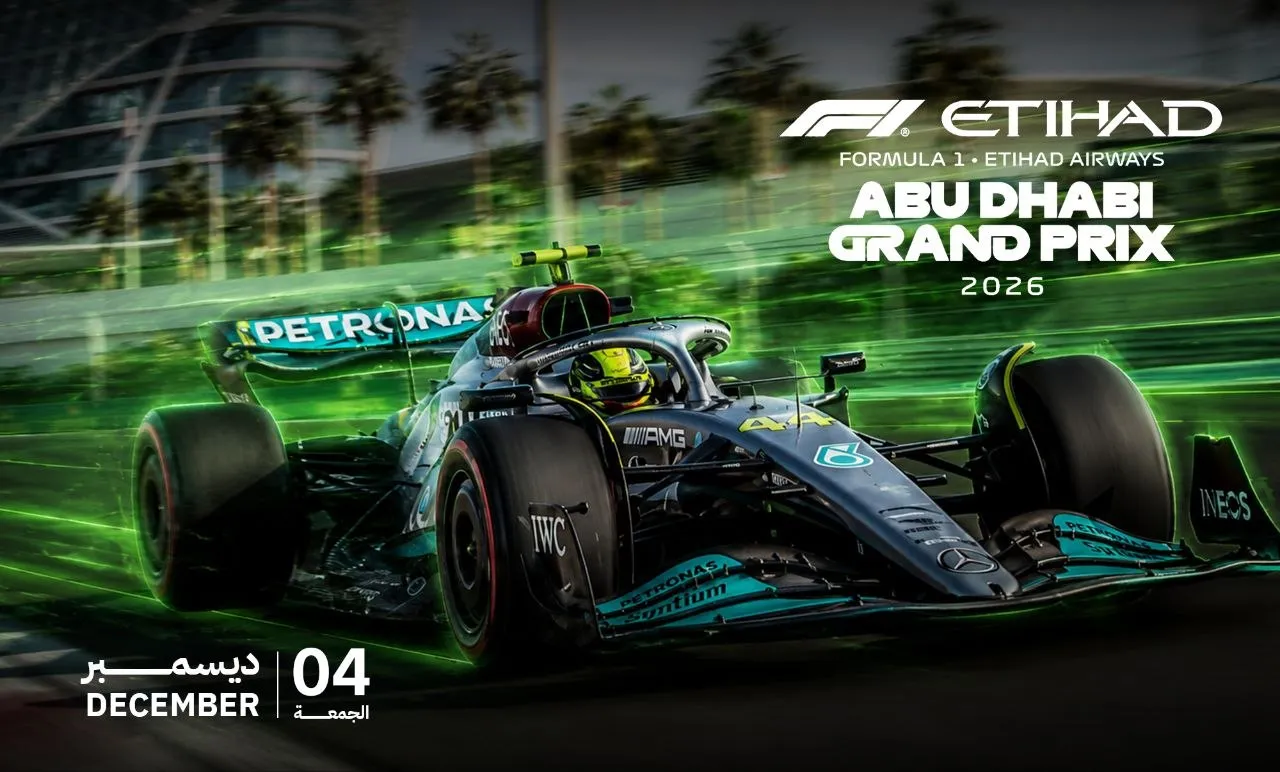
- Abu Dhabi Grand Prix at Yas Marina Circuit: usually held in December, the season finale with sunset racing, fireworks, concerts, and title-deciding potential.
Most Famous Formula 1 Circuits: Where the Drama Happens
Formula 1 circuits generally fall into three major types, and each one creates a different race-day experience.
- Permanent racing circuits: examples include Silverstone in the United Kingdom, Monza in Italy, and Bahrain International Circuit. These circuits usually offer wider run-off areas, large grandstands, and strong visibility for overtaking zones.
- Temporary street circuits: examples include Monaco and Las Vegas. These tracks are built inside real city streets, with cars running close to walls and barriers, making every small mistake costly.
- Hybrid high-speed street circuits: examples include Jeddah Corniche Circuit and Yas Marina Circuit. They combine the speed of permanent circuits with the challenge and drama of street-style layouts.
Formula 1 Prize Money: How Does It Work?
Formula 1 is one of the wealthiest sports in the world, but its prize-money system is different from many other sports.
- Constructors' prize fund: Formula 1 does not usually pay direct prize money after each race. Instead, commercial revenue from broadcasting, sponsorship, and race-hosting fees is pooled and distributed to the ten teams at the end of the season based largely on their position in the Constructors' Championship.
- Champion vs lower-ranked teams: the Constructors' Champion can receive a major share, often estimated around $130 million to $140 million, while teams near the bottom of the standings may receive roughly $50 million to $60 million. This financial gap makes every point extremely valuable.
- Do drivers receive direct prize money? Formula 1 and the FIA do not typically hand drivers direct cash prizes for individual race wins. Drivers are paid by their teams through salaries and performance bonuses, which may include points bonuses, podium bonuses, race-win bonuses, or championship bonuses depending on their contracts.
Top Formula 1 Teams and Drivers
Formula 1 features 10 teams and 20 of the fastest racing drivers in the world. These are some of the biggest names fans follow across the season.
- Oracle Red Bull Racing: one of the dominant teams of recent years, known for aerodynamic strength, sharp strategy, and race-winning execution.
- Scuderia Ferrari: the most historic team in Formula 1, backed by one of the largest and most passionate fan bases in global sport.
- Mercedes-AMG Petronas: the German powerhouse aiming to return to the front through engineering depth and championship experience.
- McLaren Formula 1 Team: a legendary British team enjoying a strong resurgence and fighting at the front in both drivers' and constructors' battles.
- Key drivers to watch: Max Verstappen, Lewis Hamilton in new colours, Lando Norris, Charles Leclerc, and experienced names such as Fernando Alonso all add star power to race weekends.
Essential Tips Before Going to a Formula 1 Race
- Book your tickets and travel early: global demand for Formula 1 is huge. Securing your ticket through FansPass and booking accommodation early can help protect you from sharp price increases near race week.
- Do not skip Saturday: many new fans focus only on Sunday, but qualifying is one of the most intense parts of the weekend, with drivers pushing the cars to the limit for grid position.
- Protect your hearing: F1 cars and support-series cars such as Formula 2 and Formula 3 are extremely loud. Ear protection is strongly recommended, especially for children.
- Wear comfortable clothes and shoes: circuits are large, and you may walk long distances between entrances, fan zones, food areas, and grandstands.
FAQs About Booking Formula 1 Tickets
How does FansPass verify the authenticity of Formula 1 tickets?
FansPass applies a strict security process. Tickets are checked electronically and reviewed before delivery to help ensure a safe and valid entry experience.
Do Formula 1 tickets include access to concerts?
In many global and regional races, including events such as Jeddah, Abu Dhabi, Singapore, and Austin, race tickets often include access to the concert area on the same day as your ticket. Always check the specific event details before booking.
What is the difference between a one-day ticket and a three-day ticket?
A three-day ticket gives access to the full weekend experience, usually including Friday practice, Saturday qualifying, and Sunday race day. A one-day ticket is valid only for the specific day selected, with Sunday usually being the most expensive.
How does resale work on FansPass if my plans change?
If you bought a ticket and can no longer attend, you can log in to your FansPass account and list your ticket for resale through the secure marketplace. Once another fan buys it, the process is handled safely through the platform.
Are children's Formula 1 tickets available?
Child ticket rules vary by circuit. Some venues offer free or discounted entry for children under a certain age, often without a separate seat, while others require a full ticket for every attendee. Check the event page before booking.
When will I receive my digital Formula 1 tickets?
Official digital tickets are issued by the event organizer and delivered to your FansPass account and email before race weekend, giving you enough time to download them and enter the circuit smoothly.
Are General Admission tickets worth buying?
Yes. General Admission is often the best option for fans who want atmosphere, fan zones, big screens, and a lower price point. It allows you to move between different viewing areas instead of sitting in a fixed seat.
What is the Formula 1 Paddock Club?
The Paddock Club is Formula 1's top hospitality category, usually located above the team garages. It can include premium food and drinks, pit lane walks, views over the pit lane, and a luxury hospitality experience close to the teams and drivers.
Do ticket prices differ from one Grand Prix to another?
Yes. Prices vary significantly depending on the host city and demand. Tourist-heavy street races such as Las Vegas, Miami, and Monaco are usually more expensive than some permanent circuits in Europe or Asia.
How do Formula 1 winners receive prize money?
Prize money is not usually paid directly to drivers after each race. Formula 1 distributes a major commercial prize fund to teams at the end of the season based on the Constructors' Championship, and teams then pay drivers through salaries and performance bonuses.
Can I bring food and drinks into the circuit?
Most circuits restrict large amounts of food and drinks, as well as glass or metal containers, for security and commercial reasons. Small plastic water bottles may be allowed at some venues. Food and beverage outlets are usually available inside the circuit and fan zones.
What are the best grandstand seats for exciting race views?
If you want the start, finish, pit lane, and podium, the main grandstand is usually the best choice. If you want overtaking, braking battles, and aggressive racing moments, choose a grandstand near a heavy braking zone, such as Turn 1 after the start-finish straight.